Understanding DA PA: A Guide to Boosting Your Website Authority

Combined image of Domain Authority (DA) and Page Authority (PA) with charts and metrics.

Understanding the metrics that influence your website’s search engine ranking is essential for digital success. Among the most important are Domain Authority (DA) and Page Authority (PA). These scores, developed by Moz, help predict how well a website will rank on search engine result pages (SERPs). This guide will explore the ins and outs of DA PA, how to use a DA PA checker, and strategies to increase website authority. Mastering your DA PA is a crucial step toward improving your online visibility.

Table of Contents

What Are Domain Authority and Page Authority?

Graph illustrating Domain Authority (DA) with increasing scores and a website icon.

DA and PA are scores that give you an idea of your site’s ranking potential. While they aren’t used by Google, they are powerful predictors of performance. A high DA PA score often correlates with better rankings.

Defining Domain Authority (DA)

Domain Authority (DA) is a search engine ranking score that predicts how likely a website is to rank. Scores range from one to 100, with higher scores indicating a greater ability to rank. When you analyze your site, understanding your Moz Domain Authority is the first step. This metric evaluates the entire domain, not just a single page. It’s a comparative tool, so you should aim to have a higher score than your direct competitors. A good way to start is by using a reliable domain authority checker to see where you stand. Evaluating your DA PA regularly is key.

Defining Page Authority (PA)

Page Authority (PA) is similar, but it measures the ranking strength of a single page. Like DA, it uses a 100-point logarithmic scale. A high PA means that specific page has a strong potential to rank in search results. You can measure this score with a page authority checker. Focusing on the DA PA of individual, high-value pages can significantly impact your overall site performance. It’s important to remember that improving the PA of a page also contributes positively to your overall DA PA profile.

How to Check Your DA PA Score

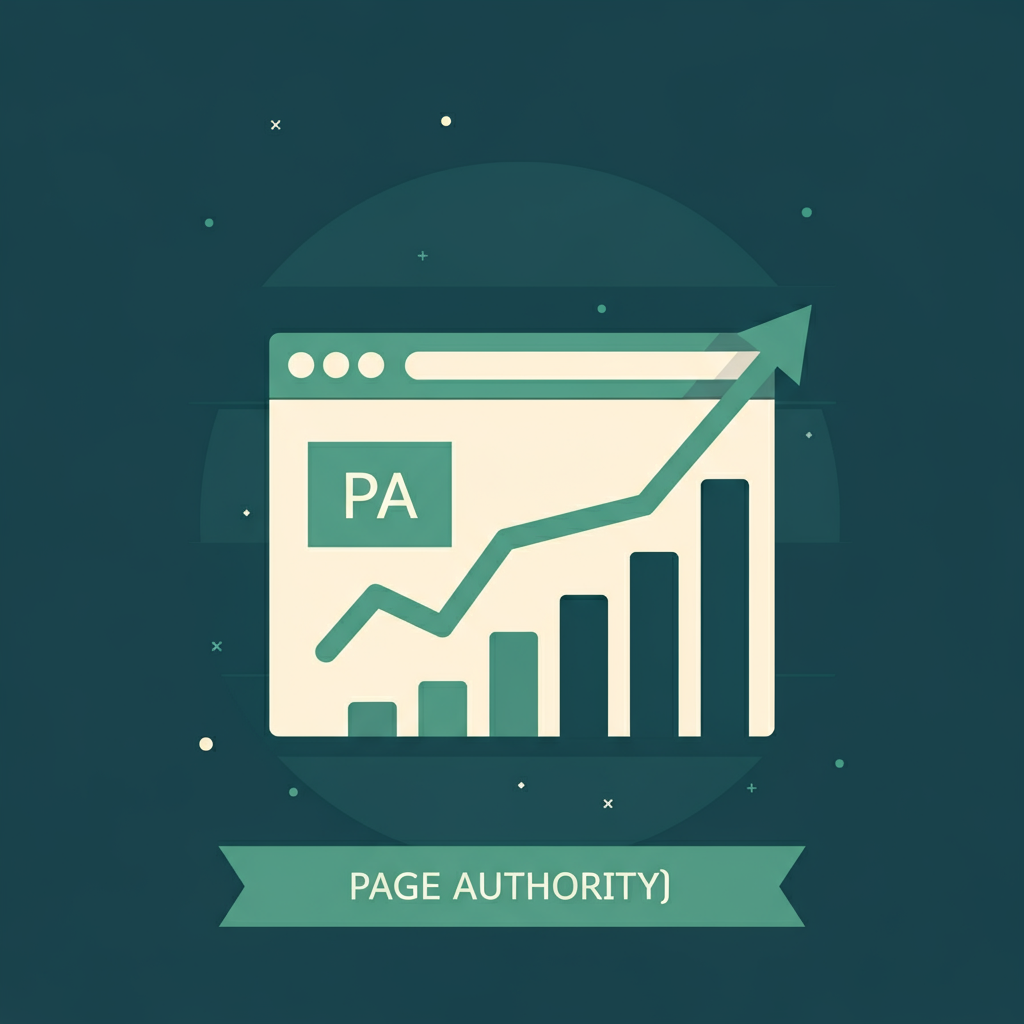
Graph illustrating Page Authority (PA) with increasing scores and a webpage icon.

Checking your DA PA is a straightforward process. Several online tools are available to help you find these scores quickly. Using a DA PA checker is fundamental for any SEO strategy, as it provides the baseline data you need to measure progress.

Most SEO professionals rely on tools that specialize in these metrics. A good domain authority checker will give you a clear picture of your site’s overall strength. Likewise, a page authority checker helps you zoom in on specific URLs. The original and most trusted source for these metrics is Moz, so using the Moz Domain Authority tool is highly recommended. Consistent use of a DA PA checker will help you track the impact of your SEO efforts and understand your DA PA evolution over time.

What is a Good Domain Authority Score?

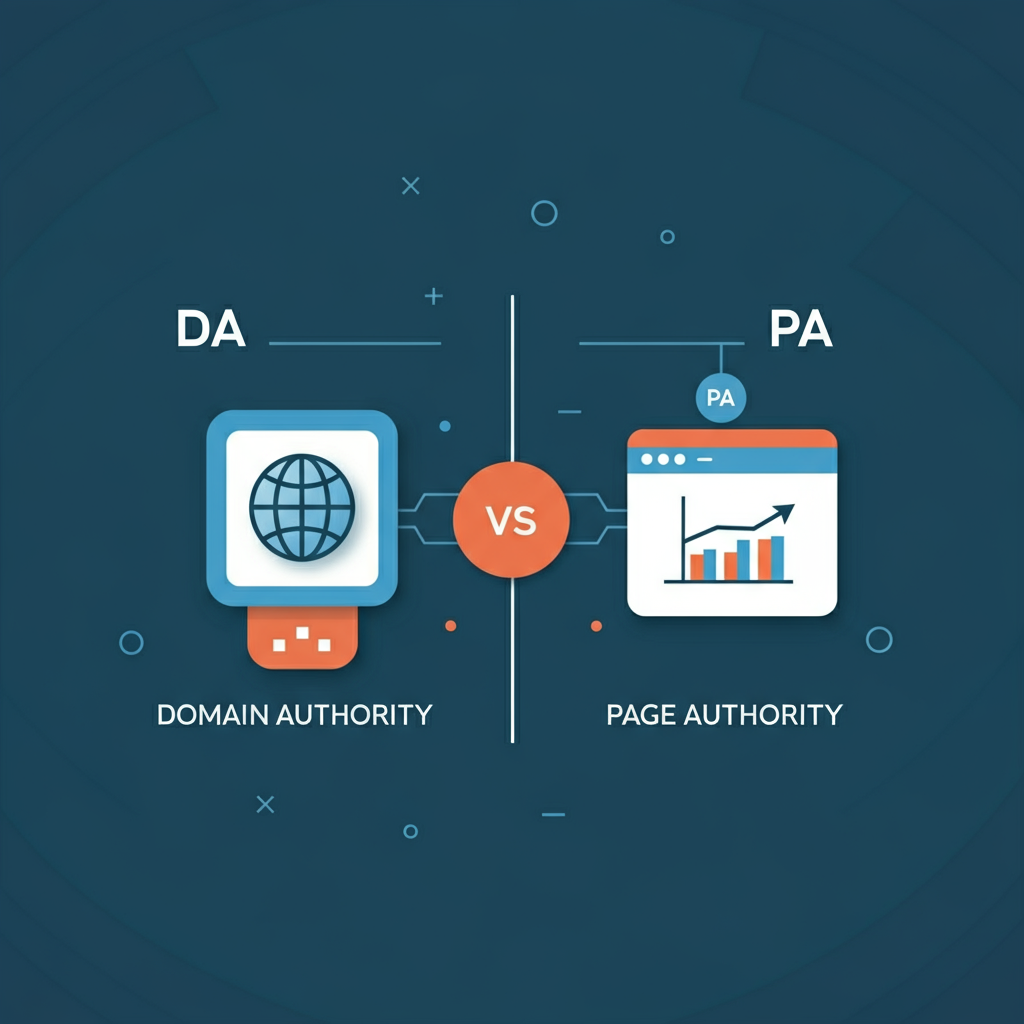
Side-by-side comparison of Domain Authority (DA) and Page Authority (PA) with charts and icons.

A common question is, “What is a good domain authority score?” The answer is relative. A “good” score depends entirely on the authority of the sites you are competing against in the SERPs. A score of 30 might be excellent for a small, local business, but it would be low for a national e-commerce brand.

Instead of aiming for a specific number, focus on increasing your score relative to your competitors. Use a domain authority checker to analyze the DA of the top-ranking sites for your target keywords. If their scores are in the 40-50 range, your goal should be to surpass that. The question shouldn’t just be “what is a good domain authority score?” but rather, “what score do I need to compete effectively?” Improving your DA PA is a marathon, not a sprint.

Domain Rating vs Domain Authority

It’s easy to get confused between different SEO metrics. One common point of confusion is the difference between domain rating vs domain authority.

  • Domain Authority (DA): This is a metric from Moz. It predicts a website’s ranking potential based on a machine learning model that correlates with rankings.
  • Domain Rating (DR): This metric is from Ahrefs. It primarily measures the strength of a website’s backlink profile, looking at both the quantity and quality of referring domains.

While both metrics are scored from 0-100 and measure a domain’s authority, their calculations differ. The debate of domain rating vs domain authority is less about which is better and more about understanding what each tells you. DA provides a more holistic prediction of ranking ability, while DR is focused almost exclusively on backlink strength. For a complete picture, it’s wise to monitor both, but for this guide, our focus is on the DA PA framework from Moz.

Proven Strategies to Increase Website Authority

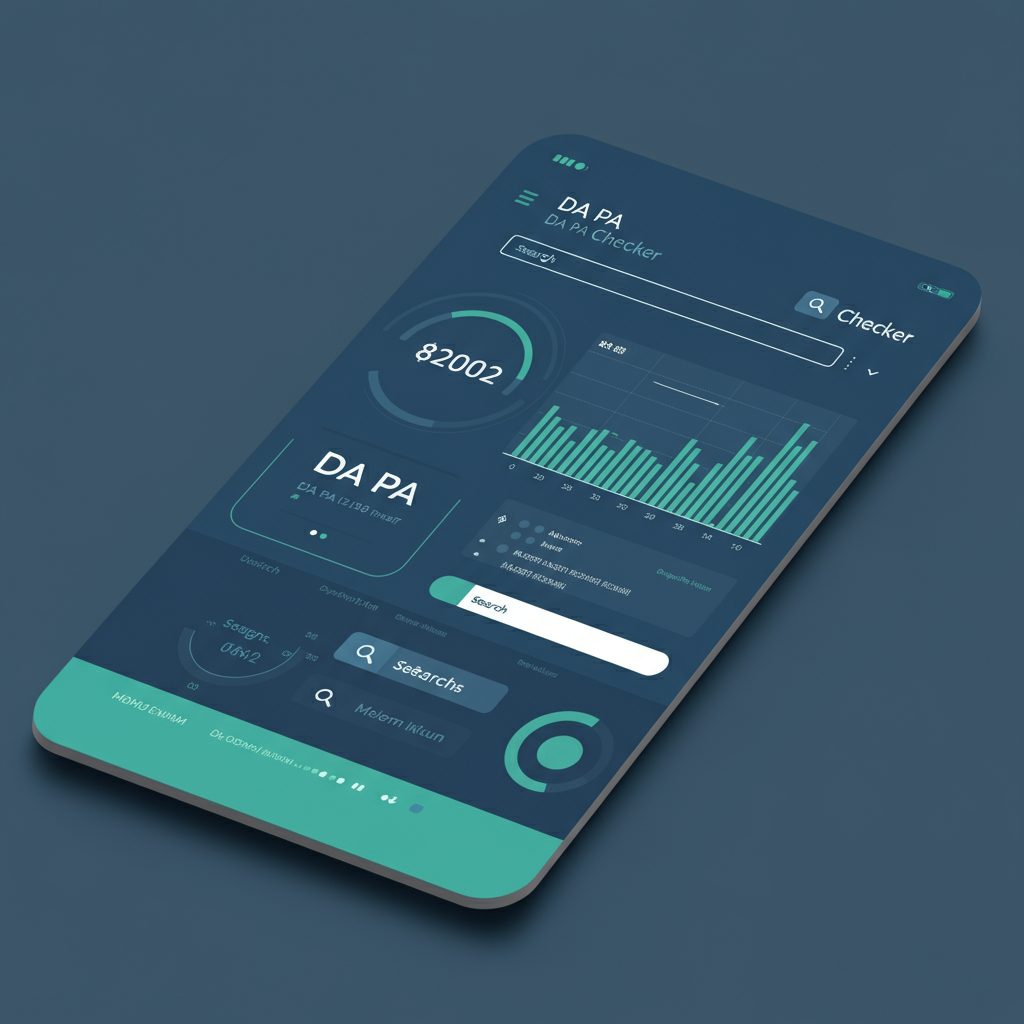
DA PA checker tool interface with metrics, graphs, and a search bar.

Now for the most important part: how do you increase website authority? Improving your DA PA score requires a consistent and strategic approach focused on earning trust and credibility from other websites and users. Here are effective methods to get started.

1. Build a High-Quality Backlink Profile

The number and quality of backlinks are the most significant factors influencing your DA PA score. Earning links from high-authority, relevant websites tells search engines that your content is valuable and trustworthy.

  • Guest Blogging: Write articles for reputable sites in your industry.
  • Broken Link Building: Find broken links on other sites and suggest your content as a replacement.
  • Create Link-Worthy Content: Develop unique research, compelling infographics, or free tools that others will want to link to.

Focus on quality over quantity. A few links from authoritative sites are far more valuable than many links from low-quality ones. This is the core principle to increase website authority.

2. Create Exceptional Content

Content is the foundation of any good SEO strategy. To improve your DA PA, your content must be original, comprehensive, and provide real value to your audience.

  • Solve Problems: Address your audience’s pain points and answer their questions thoroughly.
  • Publish In-Depth Guides: Long-form content that covers a topic in detail tends to attract more links and perform better.
  • Keep it Fresh: Regularly update your existing content to ensure it remains accurate and relevant.

Excellent content not only attracts backlinks naturally but also keeps users on your site longer, which is a positive signal to search engines.

3. Optimize Your On-Page SEO

Technical and on-page SEO elements ensure your site is easy for both users and search engine crawlers to navigate and understand. A professional SEO Company in Udaipur can help implement these elements effectively to maximize your website’s visibility and performance.

Site Structure: Organize your website with a clear and logical hierarchy.
Internal Linking: Link to other relevant pages on your own site to distribute Page Authority and help users find more information.
Keyword Optimization: Use relevant keywords in your titles, headings, and body content without overstuffing.

A well-optimized site — especially when managed by an experienced SEO Company in Udaipur — makes it easier for link equity to flow, boosting your overall DA and PA.

4. Improve Your Website’s User Experience (UX)

A site that is difficult to use will have a high bounce rate and low engagement, which can indirectly harm your authority.

  • Mobile-Friendliness: Ensure your site works flawlessly on all devices.
  • Page Speed: Optimize images and code to make your pages load quickly. A fast site is crucial for a good user experience.
  • Easy Navigation: Your menus and site layout should be intuitive.

By following these strategies, you can effectively increase website authority and watch your DA PA scores climb over time. Don’t forget to regularly use a DA PA checker to monitor your progress. The journey to a better DA PA is ongoing, but the results are well worth the effort.

FAQ’s

1. What is Domain Authority (DA)?

Domain Authority (DA) is a metric developed by Moz to predict how well a website will rank on search engine result pages (SERPs). It ranges from 1 to 100, with higher scores indicating better ranking potential.

Page Authority (PA) measures the ranking strength of individual pages on a website. Like DA, it is scored on a scale of 1 to 100 and is influenced by factors such as backlinks and content quality.

DA is calculated using factors like the number of linking root domains, the quality of backlinks, and other signals that correlate with rankings across thousands of search results.

A “good” DA score depends on your industry and competitors. Generally, a score between 40 and 50 is average, 50 to 60 is good, and over 60 is excellent.

You can check your DA using tools like Moz’s Link Explorer, MozBar, or other free DA checker tools.

Domain Authority evaluates the ranking potential of an entire domain, while Page Authority focuses on the ranking strength of individual pages.

To improve DA, focus on earning high-quality backlinks, optimizing on-page SEO, creating valuable content, and improving your website’s user experience.

No, DA is not a Google ranking factor. It is a third-party metric developed by Moz to estimate ranking potential.

DA scores can change due to updates in Moz’s web index, changes in your backlink profile, or shifts in competitors’ scores.

Moz updates Domain Authority metrics approximately once per month.