Post-Diwali Cleanup: A Step Towards a Cleaner Tomorrow

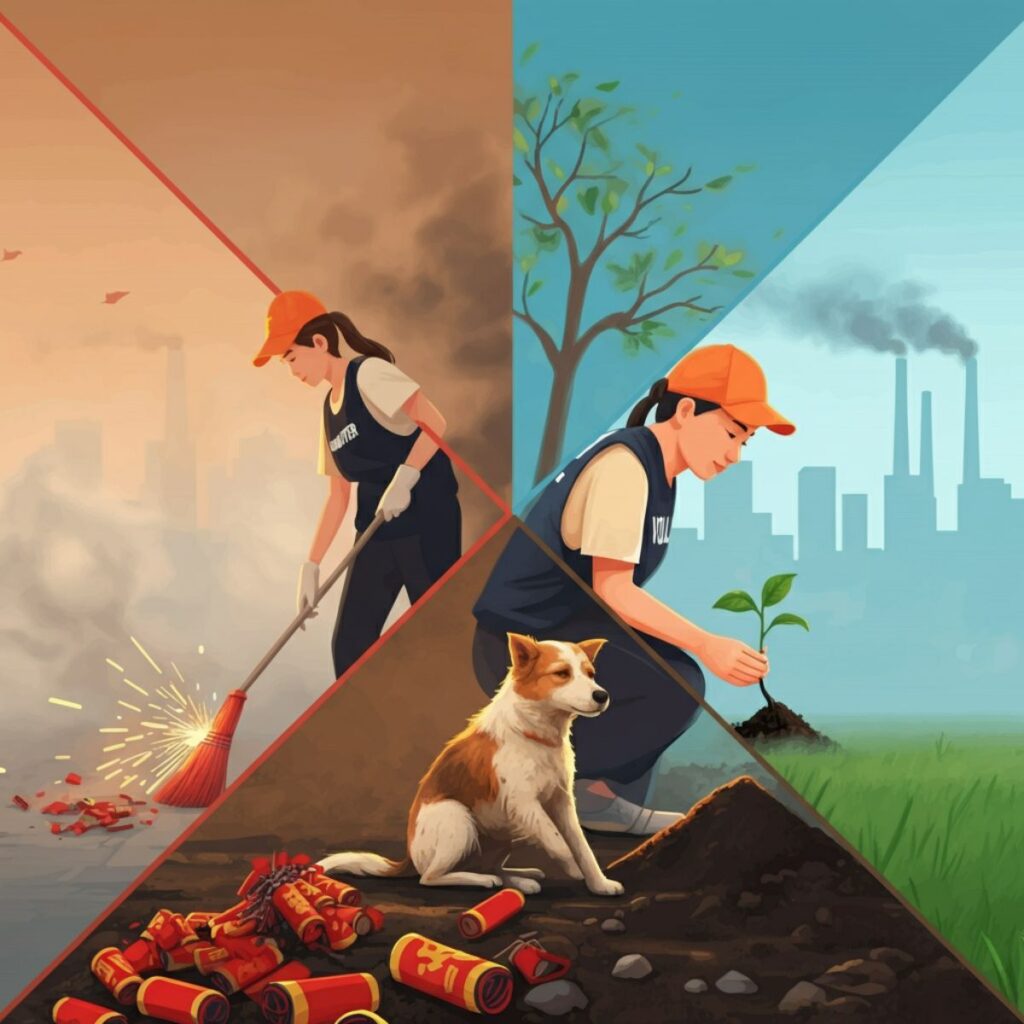
A composite image showing a person sweeping up firecracker debris on one side, a hand planting a small sapling on another, a volunteer gently tending to a stray dog in the center, and a clear blue sky emerging from a smoggy background, symbolizing a cleaner future.

The vibrant lights and joyous sounds of Diwali have faded, leaving behind cherished memories of family, friends, and festivities. While the festival of lights brings immense happiness, it also leaves a significant environmental footprint. Now, the real celebration of community and responsibility begins. This guide outlines essential steps for a thorough post-Diwali cleanup, turning the festive aftermath into an opportunity for positive change and responsible action. Our goal is to inspire collective effort in firecracker waste management, mitigating the severe Diwali pollution effects, and showing compassion through street animal care after Diwali. Let’s make our cleaning date 2025 a landmark for community-driven environmental restoration.

The immediate aftermath of the festival often reveals streets littered with burnt firecracker remnants, a noticeable haze in the air, and distressed animals seeking refuge. The air pollution after Diwali is a well-documented concern, with particulate matter reaching hazardous levels. This is our moment to act. By embracing eco-friendly Diwali practices even after the main event, we can collectively work to restore balance. This comprehensive guide provides actionable Diwali waste disposal tips and encourages proactive measures like planting trees after Diwali. It is a call to action for everyone to participate in the important task of cleaning date 2025.


The responsibility doesn’t end when the last diya is extinguished. In fact, our commitment to our environment and community is tested in the days that follow. Engaging in a structured post-Diwali cleanup is not just about aesthetics; it’s a crucial step to reduce Diwali pollution and protect public health. The task of cleaning date 2025 is not just for municipal workers; it’s a shared duty. This process involves more than just sweeping; it requires a mindful approach to segregation and disposal, particularly concerning the hazardous materials found in firecracker debris.

This effort extends beyond our doorsteps and into our neighborhoods. From organizing community drives for firecracker waste management to helping injured animals post-Diwali, every action contributes to a larger positive impact. By making cleaning date 2025 a day of community action, we transform a routine chore into a powerful statement of environmental stewardship. Let’s delve into the specific actions we can take to address the festival’s after-effects and pave the way for a cleaner, greener tomorrow. This is about making a conscious choice to heal our surroundings after the celebration.
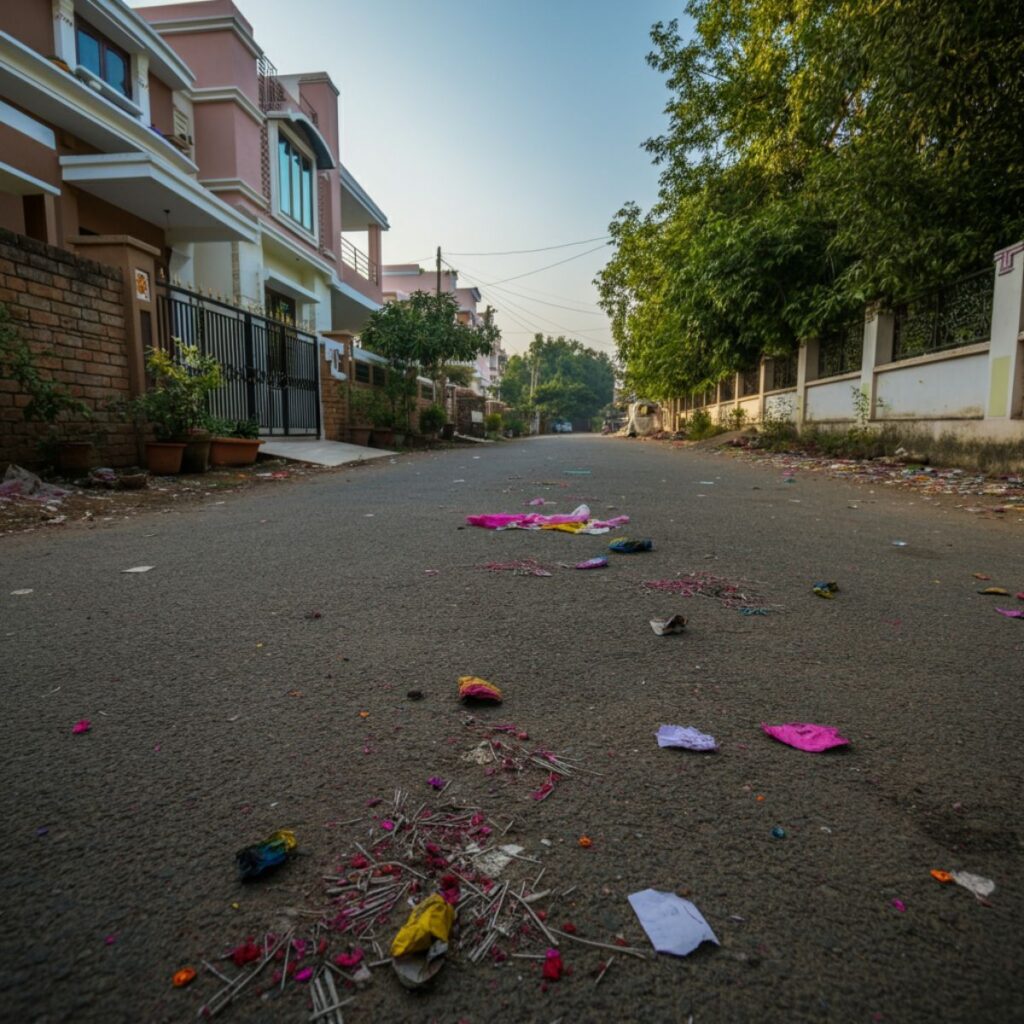
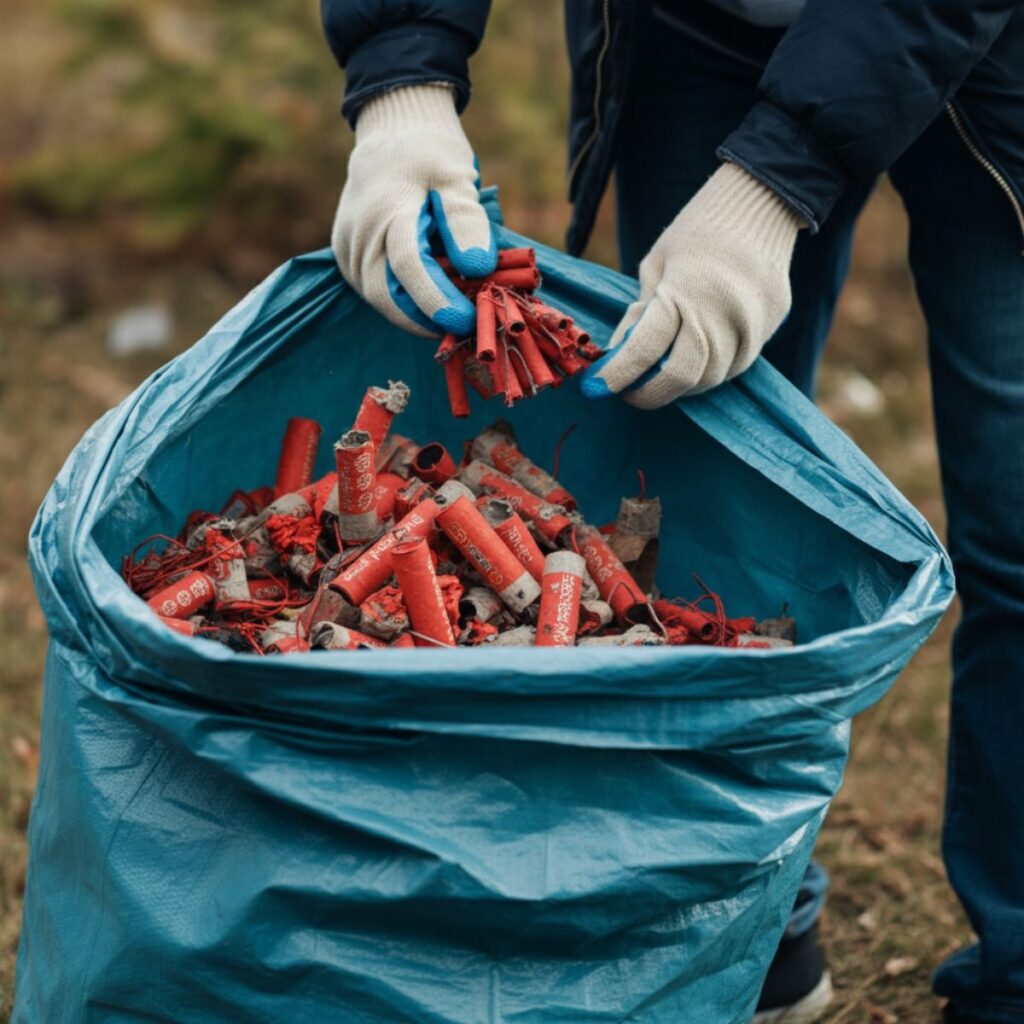
Table of Contents

The Immediate Task: Managing Festive Debris

post-Diwali cleanup

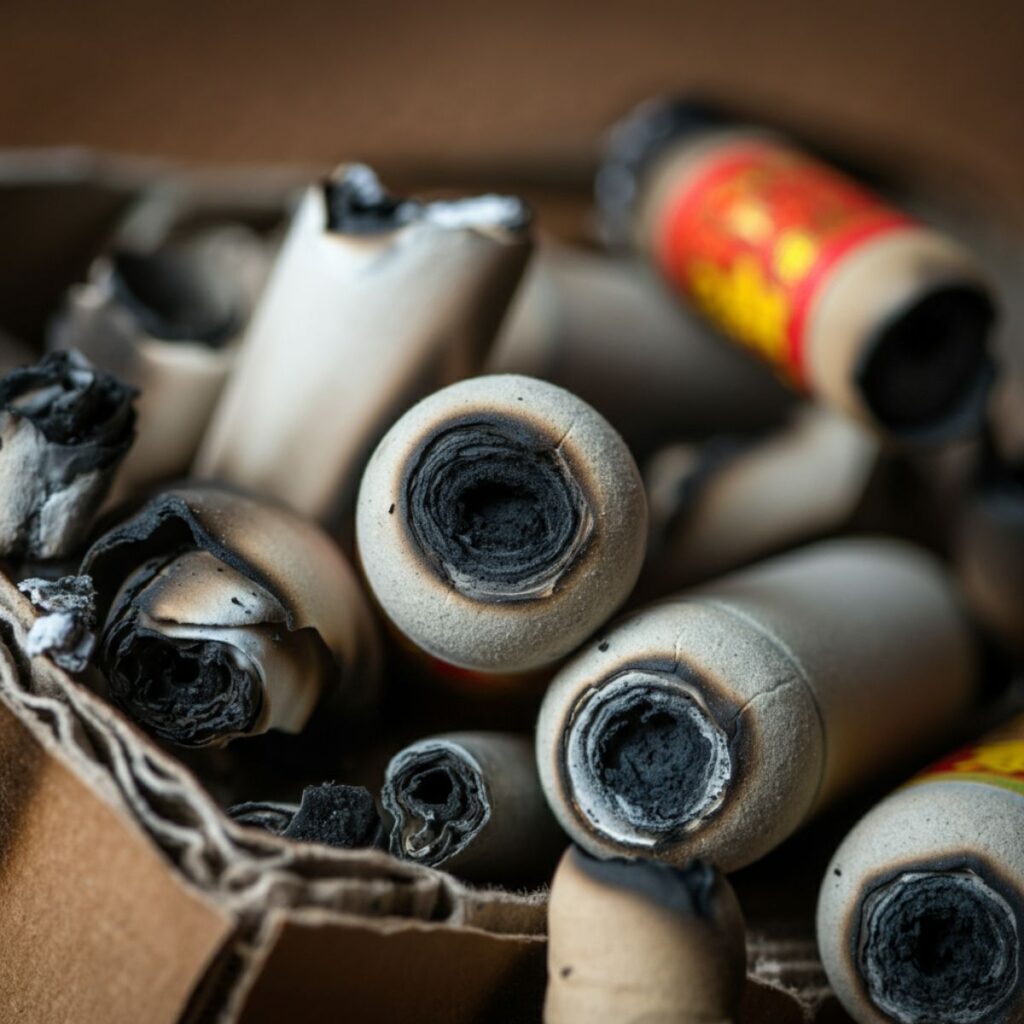
Start by equipping yourself with the right gear: gloves, a face mask, and sturdy collection bags are essential. This protects you from inhaling harmful dust and coming into direct contact with chemical residues. Carefully sweep the firecracker debris into piles, separating it from general household waste. Many of the materials, like cardboard boxes and paper wrappings, can be recycled if they are not contaminated. This initial sorting is a fundamental part of effective Diwali waste disposal tips. Making this a priority for the cleaning date 2025 sets a precedent for responsible waste handling.

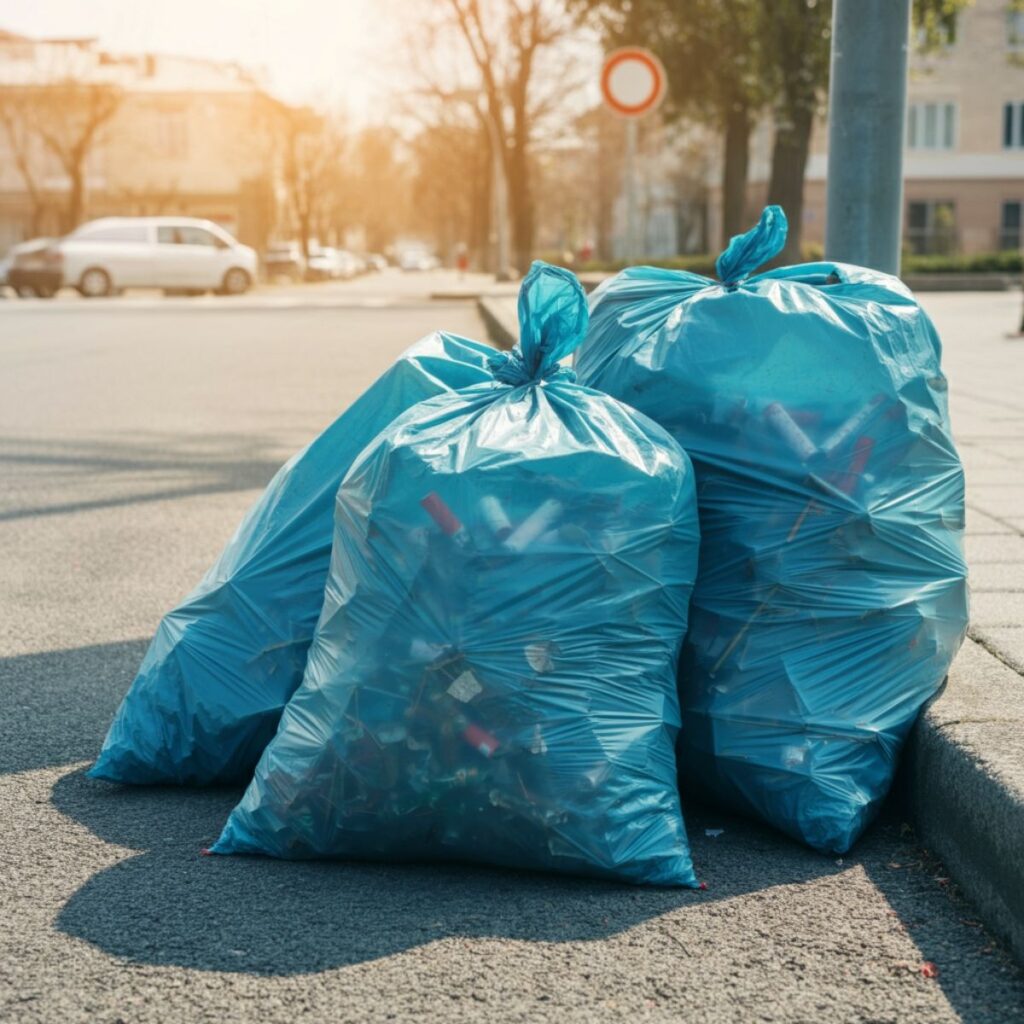
Once collected, this waste should be disposed of according to local municipal guidelines. Never burn the leftover firecracker waste, as this will release toxic fumes back into the atmosphere, worsening the air pollution after Diwali. Instead, seal it in designated bags and label them if possible. Informing your local sanitation workers about the contents can help them handle it more safely. Implementing these simple yet effective Diwali waste disposal tips can significantly reduce Diwali pollution and its lingering impact. The success of cleaning date 2025 depends on this meticulous attention to detail.

Organizing a community cleaning drive can amplify your efforts. When neighbors come together, the daunting task of a large-scale post-Diwali cleanup becomes manageable and even enjoyable. It fosters a sense of shared responsibility and community pride. Such initiatives are a powerful way to tackle the aftermath of the festival collectively and ensure that no area is overlooked. This collective effort is at the heart of making the cleaning date 2025 a successful community project, demonstrating that eco-friendly Diwali practices extend to post-festival responsibilities.

Addressing the Invisible Threat: Air and Noise Pollution

Diwali pollution effects

While the physical waste is easy to see, the more insidious Diwali pollution effects are the ones we breathe. The bursting of firecrackers releases a cocktail of harmful pollutants, including particulate matter (PM2.5 and PM10), sulfur dioxide, and nitrogen oxides. This spike in air pollution after Diwali poses serious health risks, especially for children, the elderly, and individuals with respiratory conditions. Taking steps to mitigate this invisible threat is a crucial component of our post-festival responsibilities. This is why our cleaning date 2025 must also include actions that purify the air.

One of the most effective long-term solutions is planting trees after Diwali. Trees act as natural air purifiers, absorbing carbon dioxide and other pollutants while releasing clean oxygen. They are the lungs of our cities. Organize a tree-planting drive in your neighborhood, local park, or even in pots on your balcony. This simple act is a powerful and lasting contribution to combating climate change and improving local air quality. It’s a proactive measure that goes beyond a simple cleanup. Making this a part of the cleaning date 2025 agenda turns a reactive cleanup into a forward-looking initiative.

Indoors, you can improve air quality by using air purifiers with HEPA filters. You can also bring nature inside by keeping air-purifying plants like snake plants, spider plants, and peace lilies. These plants help filter out common indoor toxins. Additionally, avoid outdoor exercise for a few days following Diwali, especially during the early morning when pollution levels are often at their highest. These personal health measures are important when dealing with the severe Diwali pollution effects. The focus of cleaning date 2025 is not just external; it’s about creating a safe internal environment too.

Noise pollution is another significant issue. The loud bursts from firecrackers can cause immense stress and anxiety, not just for humans but also for animals. While the noise subsides after the festival, its effects on vulnerable individuals and animals can linger. Promoting awareness about the harm caused by loud crackers is an essential part of advocating for eco-friendly Diwali practices in the future. Encouraging the use of soundless crackers or community light shows can help reduce Diwali pollution in all its forms. The conversation around the cleaning date 2025 should also include how to make future celebrations quieter.

Compassion in Action: Caring for Our Furry Friends

eco-friendly Diwali practices

The festive noise and smoke are not just inconvenient; they are terrifying and dangerous for street animals. The loud explosions can cause disorientation, anxiety, and panic, leading them to run into traffic or hide in unsafe places. The post-festival period requires a special focus on street animal care after Diwali. Many animals suffer from burns, injuries, and severe stress. Our post-Diwali cleanup must include looking out for these vulnerable creatures. This is a vital component of the community spirit that cleaning date 2025 aims to foster.

The first step is to be observant. As you go about your post-Diwali cleanup, keep an eye out for any animals that appear distressed, injured, or disoriented. Common injuries include burns from stray firecrackers or wounds sustained while fleeing in panic. Helping injured animals post-Diwali is a moral imperative. If you see an animal in need, approach it cautiously, as it may be frightened and defensive. Offering fresh water and some food can help calm it down. The commitment to cleaning date 2025 is a commitment to all members of our community, including the voiceless ones.

If you find an animal with visible injuries, it’s best to contact a local animal welfare organization or a veterinarian immediately. These organizations are equipped to handle such cases and can provide the necessary medical attention. Keep the contact numbers of local animal shelters and rescue groups handy during the festive season. Spreading this information among your neighbors is a simple yet effective way of helping injured animals post-Diwali. Your readiness to act during the cleaning date 2025 could save a life.

You can also create temporary safe zones for stray animals in your community. Leave out bowls of fresh water in quiet corners and check on them regularly. Work with your neighbors to ensure that community animals have a safe space to recover from the stress of the festival. This collective effort in street animal care after Diwali demonstrates a compassionate and holistic approach to community well-being. It transforms the cleaning date 2025 from a simple chore into an act of widespread kindness and a testament to truly eco-friendly Diwali practices.

Building a Sustainable Future: Long-Term Solutions

street animal care after Diwali

A one-time post-Diwali cleanup is essential, but creating lasting change requires a shift in mindset and habits. The goal is to move towards celebrations that are joyful yet sustainable. This involves adopting eco-friendly Diwali practices year-round and championing them within our communities. The lessons learned from the cleaning date 2025 should inform how we approach the festival in the future, turning a reactive measure into a proactive movement for a greener planet.

Education and awareness are key. Let’s talk to our children, friends, and neighbors about the harmful Diwali pollution effects. Sharing information about the environmental and health costs of traditional firecrackers can encourage more people to seek alternatives. Let’s promote the beauty of a Diwali celebrated with diyas, flowers, and community gatherings rather than loud and polluting fireworks. This advocacy is a crucial step to reduce Diwali pollution at its source. Our cleaning date 2025 should also be a day for planning a greener next Diwali.

Planting trees after Diwali should become an annual tradition, a symbolic act of giving back to nature. Imagine if every family planted one tree after the festival; the collective impact would be immense. These “Diwali trees” would stand as living testaments to our commitment to healing the planet. This initiative transforms the narrative from post-festival damage control to one of regenerative action. This should be the ultimate goal of the cleaning date 2025.

Ultimately, the responsibility for a clean and safe environment rests with all of us. By taking ownership of our actions and participating actively in initiatives like the post-Diwali cleanup, we can make a tangible difference. Let’s make the cleaning date 2025 a resounding success, not just in terms of clean streets, but in fostering a stronger, more environmentally conscious community. This effort in firecracker waste management and street animal care after Diwali is a step toward a future where our celebrations no longer come at the cost of our planet’s health. As a responsible digital marketing company in Udaipur, Trikaal Technology encourages everyone to contribute to sustainable celebrations and community welfare. Let this be the year we commit to change. Let the spirit of Diwali—the victory of light over darkness—inspire us to choose a brighter, cleaner, and more compassionate future for all. The cleaning date 2025 is our starting point.

FAQs

1. What is the best way to handle firecracker waste?

The safest way to handle firecracker waste is to first let it cool down completely. Wear gloves and a mask to protect yourself from harmful chemical residues. Sweep the debris into a separate, heavy-duty garbage bag. Do not mix it with your regular wet or dry household waste. Seal the bag and dispose of it according to your local municipality’s guidelines for hazardous waste.

To combat indoor air pollution, keep windows and doors closed for a few days following the festival, especially during early morning and late evening. Use an air purifier with a HEPA filter to capture fine particulate matter. You can also introduce air-purifying indoor plants like Snake Plants, Peace Lilies, and Spider Plants to naturally improve air quality.

No, you should never burn firecracker waste. Burning it releases highly toxic gases and pollutants back into the atmosphere, which worsens air quality and poses significant health risks. Proper disposal through municipal channels is the only safe option.

If you find an injured animal, approach it calmly and cautiously as it might be scared. You can offer it some fresh water. The best course of action is to immediately contact a local animal shelter, veterinarian, or an animal rescue organization. Provide them with your location and a description of the animal’s condition.

Start by picking a date and time, like the weekend after Diwali. Inform your neighbors through a community WhatsApp group or by putting up notices. Ask volunteers to bring their own brooms, gloves, and masks. Coordinate with your local municipal body for the collection of the waste bags once the cleanup is complete.

A great way to contribute is by planting trees. Trees act as natural air filters and help restore ecological balance. You can organize a tree-planting drive in your neighborhood or plant a sapling in your own backyard or balcony. This is a positive, long-term action to offset the festival’s environmental impact.

Yes, there are several alternatives. You can opt for eco-friendly crackers made from recycled paper that produce less smoke and noise. Other great options include celebrating with light-based decorations, such as traditional diyas, lanterns, and LED lights, or organizing a community laser light show.

The highest concentration of pollutants usually occurs in the 12-24 hours following the main night of celebrations. However, depending on weather conditions like wind and temperature, the smog and poor air quality can linger for several days, sometimes up to a week, before dissipating.

The spike in PM2.5 particles and other toxic pollutants can cause or worsen respiratory issues like asthma and bronchitis. It can also lead to eye, nose, and throat irritation, headaches, and increased risk of cardiovascular problems, especially for children, the elderly, and those with pre-existing health conditions.

You can pledge to have a firecracker-free celebration. Use natural materials for decoration like flowers and clay diyas instead of plastic. Prepare sweets at home to reduce packaging waste, and focus on spending quality time with family and friends to celebrate the true spirit of the festival.