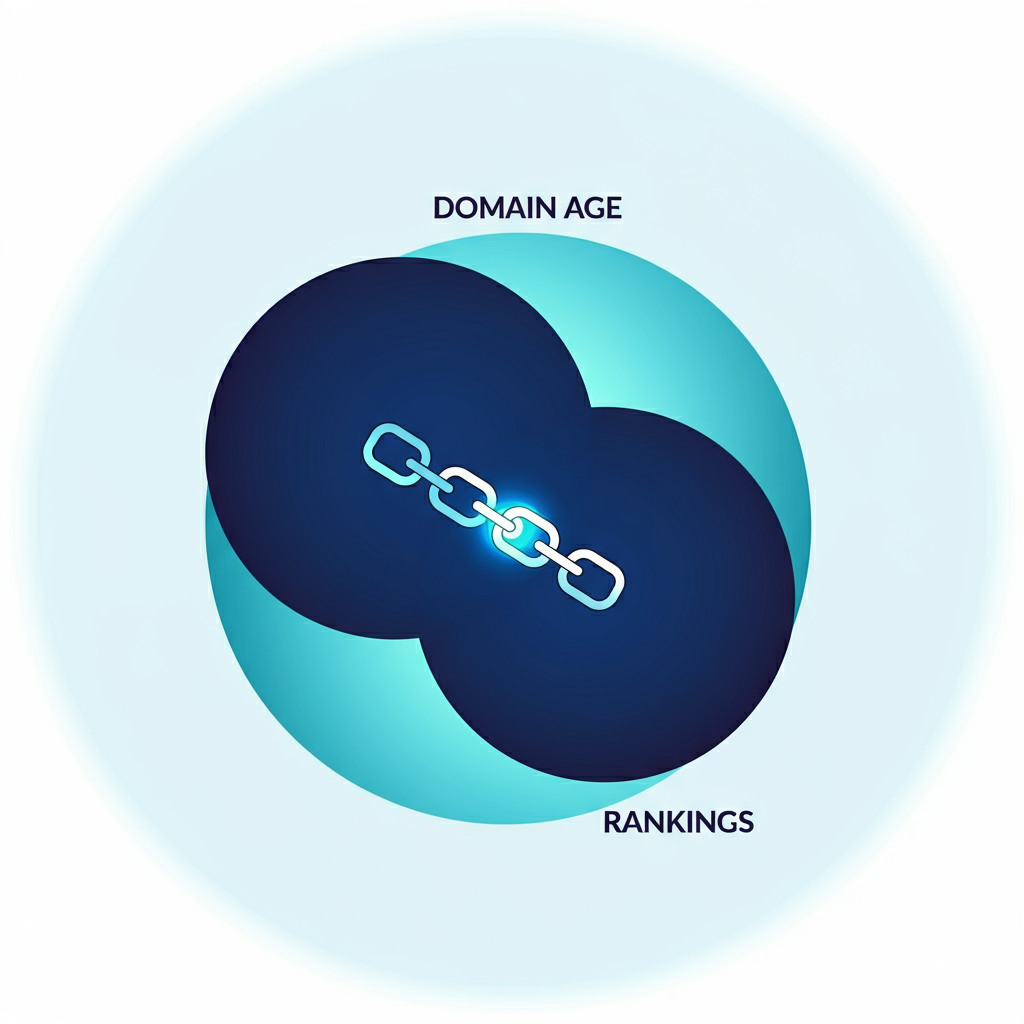
The relationship between domain age and SEO is not one of direct causation but of strong correlation. An older domain is not inherently better, but a well-maintained older domain has had more time to accumulate the assets that Google truly values: a robust backlink profile, extensive high-quality content, and established user trust. These are the factors that drive rankings, not the number of years on a registration certificate.
Your focus should not be on simply letting your domain age but on actively building its authority every day.
Your Next Steps:
Focus on Quality Content: Consistently create and update content that demonstrates expertise, authority, and trustworthiness in your niche.
Build High-Quality Backlinks: Develop a long-term strategy for earning links from reputable and relevant websites.
Prioritize User Experience: Ensure your site is fast, mobile-friendly, and easy to navigate to build user trust and positive behavioral signals.
Whether your domain is ten years old or ten days old, these are the pillars of sustainable SEO success. The age of a domain can provide a foundation, but it is the quality of the structure you build upon it that will determine how high you rank.
Methodology:
This article was created by synthesizing information from official Google Search Central documentation, statements from Google representatives, and widely recognized SEO industry studies on ranking factors. The analysis focuses on established principles of search engine optimization.
Schema Suggestions:
{
“@context”: “https://schema.org”,
“@type”: “Article”,
“headline”: “Does Domain Age Really Impact SEO Rankings? A Deep Dive”,
“author”: {
“@type”: “Person”,
“name”: “[Author Name]”
},
“datePublished”: “2025-11-03”,
“dateModified”: “2025-11-03”,
“mainEntity”: {
“@type”: “FAQPage”,
“mainEntity”: [
{
“@type”: “Question”,
“name”: “Does domain age directly affect my SEO rankings?”,
“acceptedAnswer”: {
“@type”: “Answer”,
“text”: “No, domain age is not a direct ranking factor according to Google. However, the factors that correlate with an older domain, such as an established backlink profile and a deep content history, do significantly impact rankings. So, indirectly, the age of a domain name often corresponds with better performance.”
}
},
{
“@type”: “Question”,
“name”: “I found an aged domain for sale. Should I buy it?”,
“acceptedAnswer”: {
“@type”: “Answer”,
“text”: “Buying aged domain names can be a smart strategy if the domain has a clean, relevant history and a strong backlink profile. However, you must perform a thorough audit to ensure it was never used for spam or penalized. For most, starting fresh is safer than inheriting unknown risks.”
}
},
{
“@type”: “Question”,
“name”: “Is it better to start with a new domain or an aged domain?”,
“acceptedAnswer”: {
“@type”: “Answer”,
“text”: “This depends on your budget and risk tolerance. An aged domain vs new domain offers a head start on authority but comes with risks and costs. A new domain is a blank slate that requires more initial effort but gives you full control. For many businesses, a new domain is the more straightforward path.”
}
},
{
“@type”: “Question”,
“name”: “How can I check how old a domain name is?”,
“acceptedAnswer”: {
“@type”: “Answer”,
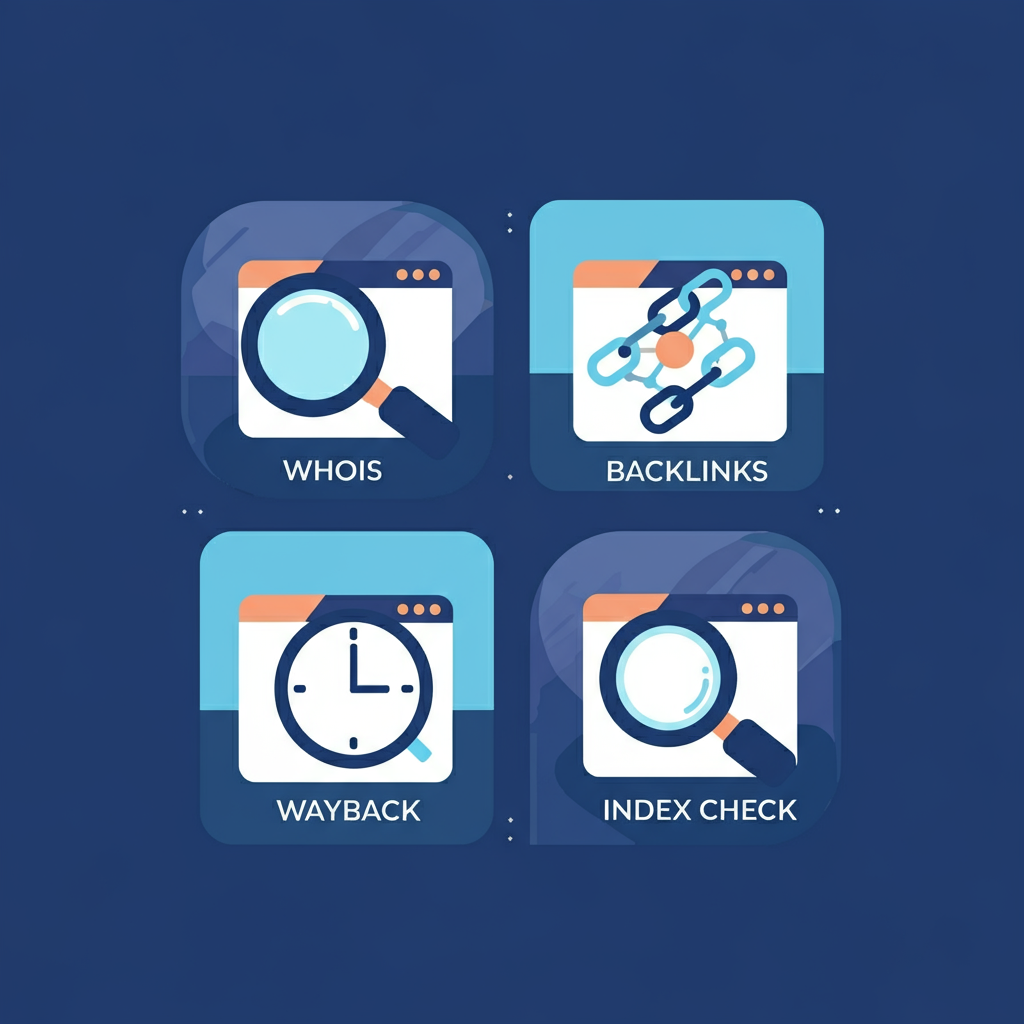
“text”: “You can easily find out how old is domain name by using a free WHOIS lookup tool online. These tools provide the ‘Creation Date,’ which is the original registration date. This is the first step in assessing a domain’s history.”
}
},
{
“@type”: “Question”,
“name”: “Should I keep an old website domain that I’m not using?”,
“acceptedAnswer”: {
“@type”: “Answer”,
“text”: “If you have an old domain with a clean history and some backlink equity, the answer to ‘should i keep an old website domain?’ is often yes. You can 301 redirect it to your primary website to pass on some of its authority or develop it into a niche site. Letting a valuable digital asset expire is a wasted opportunity.”
}
}
]
}
}