The Ultimate Guide to Alexa Backlinks: Measuring Authority in a Modern Era

For decades, one metric stood as the definitive judge of a website’s popularity: the Alexa Rank. Webmasters and SEO professionals obsessed over it, and acquiring Alexa backlinks was a primary strategy for climbing the digital ladder.

If you have been in the SEO game for a while, you know the term. If you are new, you might be seeing “Alexa backlinks” pop up in legacy forums or toolsets and wondering what the fuss is about. Even though the digital landscape shifts rapidly, the core concept behind these links remains vital for your search engine performance.

This comprehensive guide will break down everything you need to know about Alexa backlinks. We will explore what they historically represented, how the industry has evolved since Amazon retired Alexa.com in 2022, and how you can still apply the principles of high-traffic link building to dominate search results today.
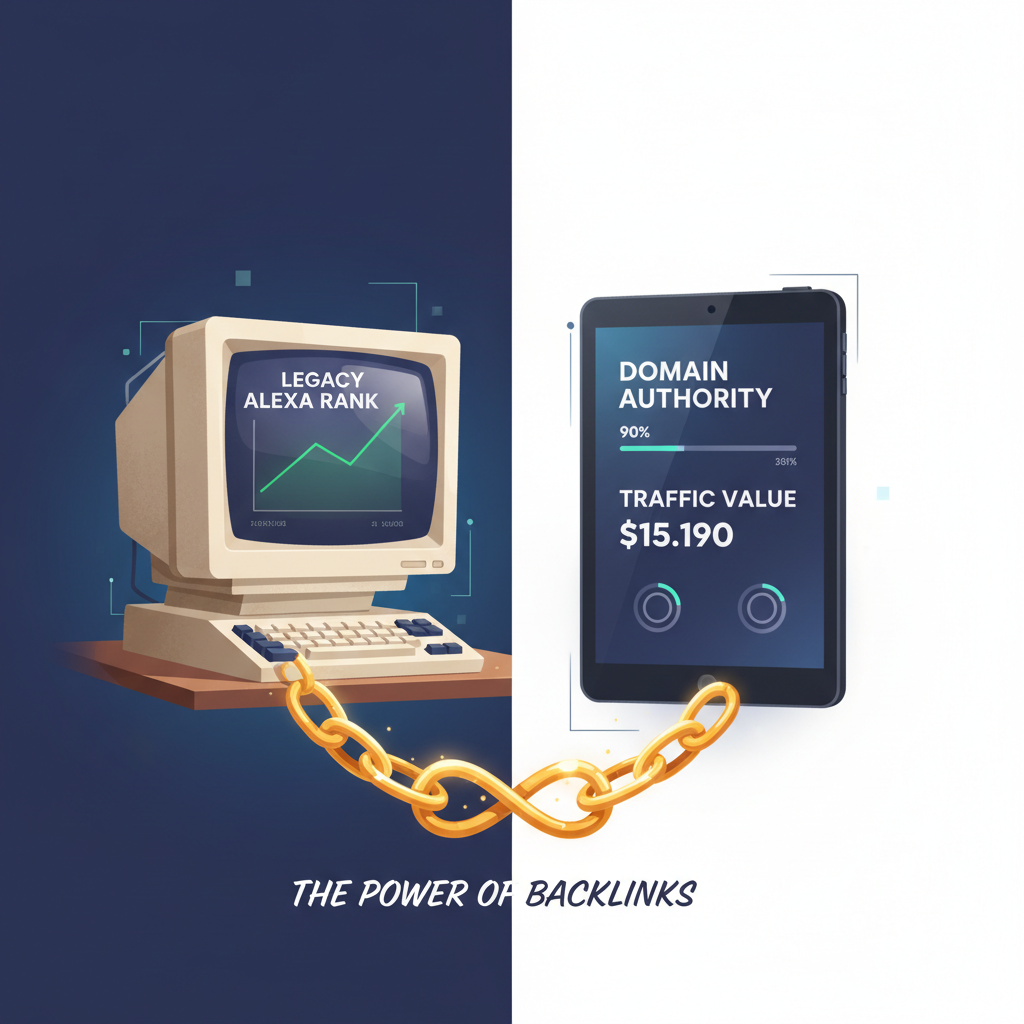

Table of Contents

What Are Alexa Backlinks?

To understand Alexa backlinks, you first need to understand the ecosystem they came from.

Historically, Alexa backlinks referred to hyperlinks pointing to your website from other sites that possessed a high Alexa Rank. The Alexa Rank was a global ranking system that used web traffic data to list the most popular websites. The lower the number (e.g., #1, #100, #500), the more popular the site. Google is typically #1.

When you secured a backlink from a site with a strong Alexa ranking, it was considered a vote of confidence from a high-traffic source. These weren’t just any links; they were Alexa backlinks—indicators that a popular, heavily visited platform trusted your content enough to link to it.

The Mechanics of the Metric

The original Alexa system worked via a toolbar installed in browsers. It tracked user behavior, estimating traffic and page views. Alexa backlinks were tracked as a specific metric within the Alexa marketing stack. SEO pros used this data to:

  1. Gauge Competitor Strength: Seeing how many Alexa backlinks a competitor had helped estimate their authority.
  2. Identify Link Targets: Marketers sought out sites with good Alexa ranks for guest posting.
  3. Monitor Growth: An upward trend in referring domains usually correlated with a better Alexa rank.

The Evolution: Why We Still Talk About Alexa Backlinks

You might be asking a crucial question: “Didn’t Amazon shut down Alexa.com?”

Yes, they did. On May 1, 2022, Amazon retired the Alexa.com web ranking service. However, the term Alexa backlinks persists in the SEO lexicon for several reasons.

First, many SEO tools and “site worth” calculators still use archived data or have built their own proprietary algorithms that mimic the old Alexa system. They often still label this data under legacy terms to remain familiar to users.

Second, the intent behind the search remains valid. When people search for Alexa backlinks, they are rarely looking for the defunct toolbar. They are looking for high-traffic backlinks. They want to know how to get links from the “top 100,000 sites” on the web. The terminology has become a shorthand for quality and popularity.

Therefore, when we discuss Alexa backlinks in this guide, we are discussing the strategy of acquiring links from websites that command massive traffic and authority—the spiritual successors to the Alexa Rank.

Why High-Traffic Backlinks Are Critical for SEO

Search engines like Google use complex algorithms to determine ranking, and backlinks remain one of the top three ranking factors. However, not all links are created equal. This is where the concept of Alexa backlinks—or high-traffic links—becomes essential.

1. Referral Traffic Potential

A link from a low-traffic site might pass some “link juice” (authority), but it won’t send you real visitors. A backlink from a site that would have had a high Alexa rank (like Forbes, TechCrunch, or a popular industry blog) sends actual humans to your site. This referral traffic is invaluable. It lowers your bounce rate and signals to Google that your site is useful.

2. Trust and Authority Transfer

Google views the web as a graph of trust. If a highly trusted entity links to you, some of that trust rubs off. This is often called “Domain Authority” (Moz) or “Domain Rating” (Ahrefs), but the principle is the same as the old Alexa backlinks logic. High-popularity sites do not link to spam. By associating with them, you validate your own existence.

3. Faster Indexing

Popular websites are crawled by search engine bots constantly—sometimes every few minutes. When you secure Alexa backlinks from these hubs, the bots find the link to your site much faster. This leads to quicker indexing of your new content and faster ranking improvements.

Analyzing Your Link Profile: Modern Tools

Since you can no longer log into Alexa.com to check your Alexa backlinks, you need reliable alternatives. The industry has shifted to three major platforms that provide the data you need.

Semrush (Authority Score)

Semrush is perhaps the closest modern equivalent for checking traffic-based metrics. Their “Authority Score” creates a composite view of a site’s quality. When analyzing potential sources for Alexa backlinks, use their “Traffic Analytics” tool. It estimates visitor counts with high accuracy, allowing you to prioritize partners that actually have eyes on their content.

Ahrefs (Domain Rating & URL Rating)

Ahrefs is widely considered the gold standard for backlink analysis. Their “Domain Rating” (DR) measures the strength of a target website’s backlink profile on a logarithmic scale from 0 to 100. While DR is based on links rather than traffic, there is a strong correlation. A site with a DR of 80+ is exactly the kind of source that would have provided powerful Alexa backlinks.

Moz (Domain Authority)

Moz created the term “Domain Authority” (DA). This metric predicts how well a website will rank on search engine result pages (SERPs). While different from the traffic-centric Alexa Rank, DA is a vital metric for vetting link prospects.

Strategies to Acquire “Alexa-Quality” Backlinks

Now that we have established the value, how do you actually build these links? Acquiring Alexa backlinks (links from top-tier, high-traffic sites) requires more effort than directory submissions. You need a strategy centered on value exchange.

1. The Skyscraper Technique

Popularized by Brian Dean, this technique is the most effective way to earn Alexa backlinks.

  • Step 1: Find a piece of content in your niche that already has many links.
  • Step 2: Create something better. Make it longer, more up-to-date, better designed, or more thorough.
  • Step 3: Reach out to the people who linked to the original piece. Show them your superior version and ask them to link to you instead.
    High-traffic sites want to link to the best resource available. Be that resource.

2. Digital PR and Newsjacking

Sites with the best historical Alexa ranks are often news outlets. To get Alexa backlinks from news sites, you need to be newsworthy.
Monitor trends in your industry. When a big story breaks, publish a unique data study, an expert commentary, or a contrarian opinion piece immediately. Use platforms like Connectively (formerly HARO) to pitch your expertise to journalists. A single quote in a major publication can generate a backlink worth thousands of dollars in media value.

3. Guest Posting on High-Traffic Hubs

Guest posting is not dead; it just evolved. Writing generic 500-word articles for low-quality sites won’t help. To get Alexa backlinks, you must target the “big fish.”
Look for blogs that:

  • Have active comment sections.
  • Post consistently.
  • Have a Domain Authority of 50+.
    Pitch them unique, high-value concepts that their audience hasn’t seen before. The goal is to get your link in the body of the content, not just the author bio.

4. Broken Link Building on Authority Sites

High-traffic sites often have older content with dead links (404 errors). This is a massive opportunity to secure Alexa backlinks.
Use a tool like Ahrefs or Check My Links to scan top-tier industry sites for broken links. When you find one, email the editor. Politely point out the broken link and suggest your own relevant content as a replacement. You are helping them fix their site, which makes them more likely to say yes.

Avoiding “Toxic” Alexa Backlinks

In your quest for growth, you might encounter services selling “500 High Alexa Backlinks for $5.”

Run away.

In the world of SEO, if it sounds too good to be true, it will likely result in a penalty. These services often use “link farms” or PBNs (Private Blog Networks). While these sites might artificially inflate their traffic metrics to look like good sources of Alexa backlinks, Google is smart enough to detect them.

Toxic backlinks can destroy your rankings. Always prioritize relevance over raw metrics. A link from a smaller, highly relevant niche blog is often safer and more valuable than a link from a generic “high traffic” site that covers everything from gambling to gardening.

Optimizing for Voice Search (The “Other” Alexa)

We cannot discuss Alexa backlinks without briefly touching on Amazon’s voice assistant, Alexa.

While “backlinks” don’t exist in voice search in the traditional sense, “citations” do. When a user asks, “Alexa, what is the best SEO strategy?”, the device pulls an answer from the web, usually citing the source.

To get your content cited by Alexa (the device):

  1. Target Question Keywords: Use headings that ask questions (Who, What, Where, Why).
  2. Write Concise Answers: Immediately follow the heading with a 40-60 word definition or answer. This is “snackable” content for voice algorithms.
  3. Use Schema Markup: Structured data helps bots understand the context of your content.

While these aren’t traditional Alexa backlinks, being the source of a voice answer is the ultimate form of brand authority in 2025.

Best Practices for Maintaining Your Profile

Building links is an ongoing process. To ensure your portfolio of Alexa backlinks remains healthy:

  • Regular Audits: Use Semrush or Ahrefs to audit your backlinks quarterly. Disavow any spammy links that might have attached themselves to your site.
  • Anchor Text Diversity: Don’t use the exact same keyword for every link. If every one of your Alexa backlinks says “best shoes,” it looks suspicious. Use a mix of branded terms, naked URLs, and natural phrases.
  • Monitor Lost Links: Links rot over time. If a high-authority site removes your link, reach out and ask if it was intentional or an error. Reclaiming lost links is easier than building new ones.

Conclusion: The Future of Authority

The tool Alexa.com may be gone, but the pursuit of Alexa backlinks—links that drive traffic, build trust, and signal authority—is more competitive than ever.

In the current SEO landscape, you must look beyond vanity metrics. Focus on building relationships with websites that command real human attention, a strategy often followed by the best digital marketing agency when creating sustainable growth. Use modern tools to verify traffic data, create content that demands to be linked to, and protect your backlink profile from spam.

By understanding the history and the modern application of Alexa backlinks, you position your website not just to rank, but to dominate. Start auditing your profile today, identify your high-traffic targets, and start building the connections that will drive your SEO success for years to come—an approach consistently implemented by Trikaal Technology.

Frequently Asked Questions (FAQ)

1. Can I still check my website's Alexa Rank?

No, Amazon officially retired the Alexa.com tool and API on May 1, 2022. You can no longer check a live Alexa Rank. However, you can use alternatives like Semrush Rank or Ahrefs Rank to gauge your site’s relative popularity and authority.

The specific metric is gone, but the concept is highly relevant. Seeking Alexa backlinks (links from high-traffic, authoritative websites) remains one of the best ways to improve your Google search rankings. Google prioritizes links from sites that demonstrate real user engagement.

If you cannot afford premium tools like Semrush or Ahrefs, you can use Google Search Console. It is free and provides the most accurate data regarding who links to you, although it doesn’t provide “authority” scores for those links.

There is no magic number. One single backlink from a massive site like the New York Times (a high Alexa backlink) can be worth more than 100 links from low-quality directories. Focus on quality over quantity.

Technically, no. Being cited by Amazon Alexa or Google Assistant is a “voice citation.” It helps with brand awareness and authority but does not pass “link juice” in the same way a traditional HTML Alexa backlink would. However, optimizing for both is a smart holistic strategy.

If you find spammy links that are hurting your SEO, you can create a text file containing the URLs or domains you want to ignore. Upload this file to Google’s “Disavow Tool.” Be careful, though—disavowing the wrong links can hurt your rankings. Only do this for links you are sure are toxic.

Schema Suggestion

{
“@context”: “https://schema.org”,
“@graph”: [
{
“@type”: “Article”,
“headline”: “The Ultimate Guide to Alexa Backlinks: Measuring Authority in a Modern Era”,
“description”: “A comprehensive guide explaining Alexa backlinks, their historical importance, modern SEO relevance, high-traffic link strategies, backlink analysis tools, and future-proof authority building techniques.”,
“author”: {
“@type”: “Organization”,
“name”: “Trikaal Technology”
},
“publisher”: {
“@type”: “Organization”,
“name”: “Trikaal Technology”,
“logo”: {
“@type”: “ImageObject”,
“url”: “https://trikaaltechnology.com/wp-content/uploads/logo.png”
}
},
“datePublished”: “2025-11-03”,
“dateModified”: “2025-11-03”,
“mainEntityOfPage”: {
“@type”: “WebPage”,
“@id”: “https://trikaaltechnology.com/ultimate-guide-alexa-backlinks”
},
“articleSection”: [
“Alexa Backlinks”,
“High-Traffic Backlinks”,
“SEO Authority”,
“Link Building Strategies”,
“Voice Search Optimization”
]
},
{
“@type”: “FAQPage”,
“mainEntity”: [
{
“@type”: “Question”,
“name”: “Can I still check my website’s Alexa Rank?”,
“acceptedAnswer”: {
“@type”: “Answer”,
“text”: “No. Amazon officially retired the Alexa.com tool and API on May 1, 2022. Live Alexa Rank data is no longer available. You can use alternatives such as Semrush Rank or Ahrefs Rank to estimate website popularity and authority.”
}
},
{
“@type”: “Question”,
“name”: “Are Alexa backlinks still relevant for SEO in 2025?”,
“acceptedAnswer”: {
“@type”: “Answer”,
“text”: “While the Alexa metric no longer exists, the concept remains highly relevant. Backlinks from high-traffic, authoritative websites continue to be one of the strongest ranking signals in modern SEO.”
}
},