Diwali 2025: Your Complete Guide to the Festival of Lights

A festive scene showing glowing diyas for the Diwali festival and gold coins for Dhanteras 2025.

Welcome to the ultimate guide for Diwali 2025, the most eagerly awaited festival of the year. Celebrated by millions of Hindus, Jains, Sikhs, and Buddhists worldwide, Diwali is a vibrant, joyous, and deeply spiritual occasion that transcends religious boundaries. Often referred to as the Festival of Lights, it signifies the triumph of light over darkness, good over evil, and knowledge over ignorance. Beyond its spiritual meaning, Diwali is a time for family gatherings, reflection, gratitude, and celebration, bringing warmth, harmony, and happiness into homes everywhere.

If you are looking for the official Diwali date 2025, you’ve come to the right place. This guide provides a comprehensive overview of the festival, covering key dates, ancient and modern rituals, traditional foods, and contemporary ways of celebrating. From decorating your home with diyas, lanterns, and rangoli to performing the sacred Lakshmi Puja, preparing and sharing festive sweets, exchanging gifts, and joining community festivities, this guide will help you embrace the full spirit of Diwali.

Whether you are celebrating in India or abroad, Diwali 2025 promises to be a season filled with joy, light, and togetherness. By understanding the rituals, stories, and cultural significance behind each tradition, you can not only enjoy the festivities but also connect deeply with the essence of the festival—spreading love, positivity, and hope to everyone around you. This guide ensures that you are fully prepared to celebrate Diwali in its richest, most meaningful form, making it a truly memorable experience for yourself and your loved ones.
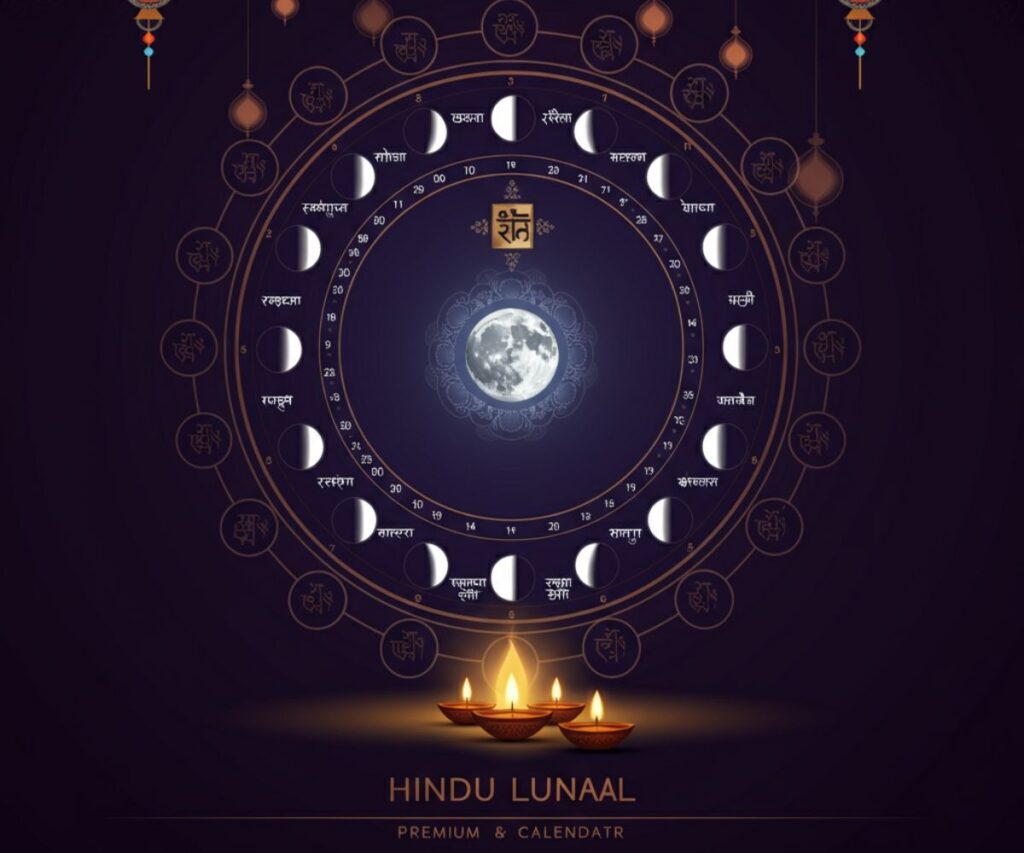
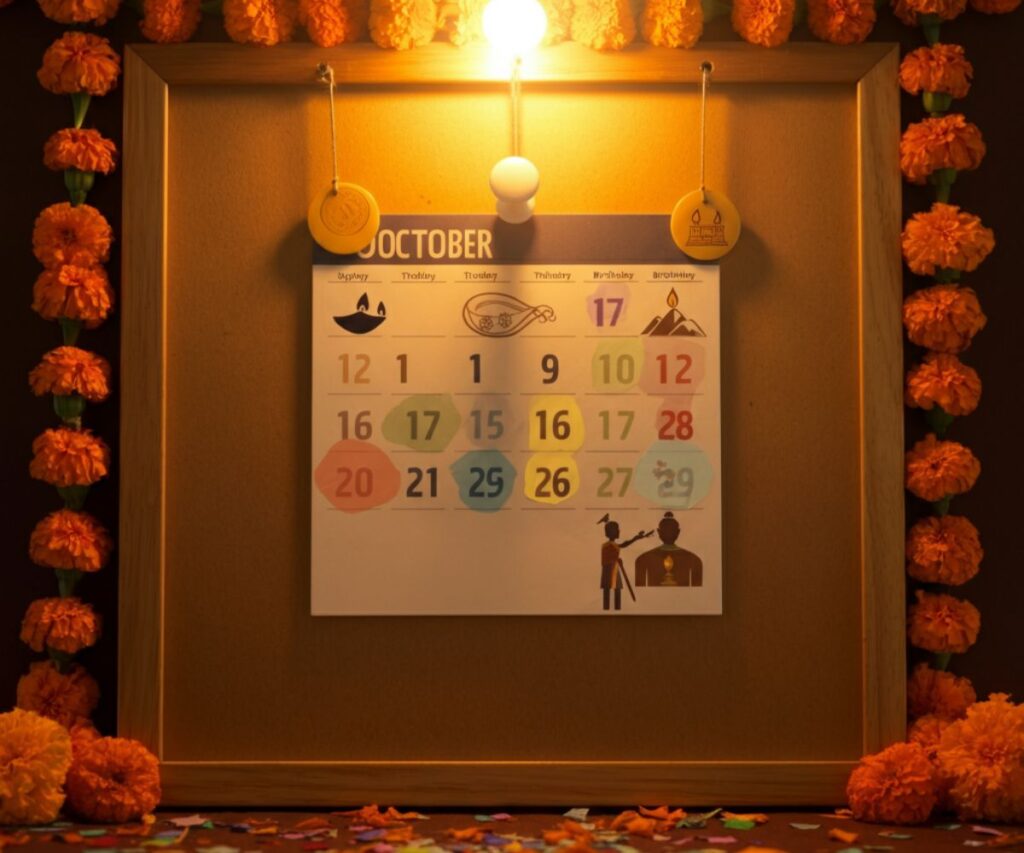
Table of Contents

The Heart of the Celebration

Diwali, also known as Deepavali, is far more than a single day of celebration—it is a five-day festival, with each day carrying its own significance, rituals, and cultural flavor. The term “Deepavali” comes from Sanskrit, meaning “row of lighted lamps,” which is why diyas—small clay oil lamps—are central to the festivities. Lighting these lamps symbolizes the removal of darkness, ignorance, and negativity, while inviting Goddess Lakshmi, the deity of wealth and prosperity, into homes. The soft glow of countless diyas creates an atmosphere of warmth, hope, and spiritual illumination that defines the festival.

The origins of Diwali are deeply rooted in mythology and history, with variations across regions of India. In northern India, the festival marks the triumphant return of Lord Rama to Ayodhya after his victory over the demon king Ravana, a story that highlights the victory of good over evil and the importance of dharma (righteousness). In southern India, Diwali is often associated with Lord Krishna’s defeat of the demon Narakasura, symbolizing the conquest of tyranny and injustice. Among Jains, it commemorates the attainment of nirvana by Lord Mahavira, while some Sikhs observe Bandi Chhor Divas, celebrating the release of Guru Hargobind Ji from imprisonment. Despite these varied narratives, the underlying message remains universal: the triumph of light over darkness, virtue over vice, and knowledge over ignorance.

Throughout the five days, homes and public spaces are adorned with lights, flowers, rangoli, and decorations, while families engage in prayers, feasts, gift exchanges, and cultural performances. Each day has a distinct identity and ritual, from Dhanteras, associated with wealth and prosperity, to Naraka Chaturdashi, marking the victory over evil, culminating in Lakshmi Puja, the central day of worship. The festival not only celebrates spiritual and moral victories but also strengthens bonds among family and community, making Diwali a vibrant blend of devotion, culture, and togetherness.

By observing these traditions and understanding their mythological and symbolic roots, participants honor centuries of cultural heritage while embracing the festival’s timeless themes of hope, renewal, and the enduring power of light.

How the Festival Dates Are Determined

A diagram of the Hindu lunar calendar showing how the new moon phase determines the date for Deepavali.

The timing of Diwali is not fixed on the Gregorian calendar because it follows the Hindu lunisolar calendar, which is based on the intricate cycles of the moon. Unlike solar calendars, which are consistent year to year, the lunisolar calendar relies on the positioning of the sun and moon to determine months and festivals. The main day of Diwali, known as Lakshmi Puja, always falls on the new moon night (Amavasya) of the Hindu month of Kartik. This is the darkest night of the lunar month, and it is believed that lighting lamps during this period invites the blessings of Goddess Lakshmi and dispels darkness from our homes and lives. Since the lunar cycles do not perfectly align with the Gregorian calendar, the festival dates change every year, making each Diwali unique in its timing.

Determining the Diwali date 2025 involves complex astronomical calculations that track the moon’s phases, including its waxing and waning. The month of Kartik typically falls between mid-October and mid-November, and the five-day festival is structured around this lunar event. The celebrations usually begin two days before the new moon, continue on the day of Amavasya itself, and extend for two days after, creating a continuous period of rituals, family gatherings, and joyous festivities. Each day of the festival holds its own significance, such as Dhanteras for wealth and prosperity, Naraka Chaturdashi for victory over evil, Lakshmi Puja for divine blessings, Govardhan Puja or Annakut, and Bhai Dooj for sibling bonds.

Because the Hindu calendar is regionalized, the exact timing of the Diwali celebration can vary slightly by location, depending on local traditions and astronomical interpretations. Some regions may begin lighting diyas at slightly different times, or perform specific rituals on adjacent days, reflecting the rich diversity of cultural practices across India. This lunar connection ties the festival deeply to nature’s rhythms, creating a sense of harmony with the universe. Observing Diwali according to these celestial patterns emphasizes the symbolic meaning of light conquering darkness, and knowledge overcoming ignorance, reminding devotees of the cosmic order and the cycles of time that govern life.

By understanding the lunar basis of Diwali, one can appreciate not just the rituals and celebrations, but also the ancient astronomical wisdom embedded in the timing of this festival, which has guided generations in aligning their lives with the natural flow of the cosmos.

Key Dates for Your 2025 Calendar

A calendar showing the main Diwali 2025 dates, from Dhanteras on Oct 17 to Bhai Dooj on Oct 21.

Mark your calendars for the five days of celebration in 2025. While the main festival day is what many recognize, the entire period is filled with important traditions.

  • Day 1: Dhanteras (Friday, October 17, 2025): The festival begins with Dhanteras 2025. On this day, it is considered auspicious to buy precious metals like gold or silver, or new utensils for the kitchen. This symbolizes welcoming wealth and prosperity for the year ahead. Homes are thoroughly cleaned and decorated to invite Goddess Lakshmi.
  • Day 2: Naraka Chaturdashi or Choti Diwali (Saturday, October 18, 2025): The second day is known as “small Diwali.” It is a day for final preparations before the main event. In some traditions, it celebrates Lord Krishna’s victory over the demon Narakasura. Many people perform cleansing rituals and light a few diyas in the evening.
  • Day 3: Lakshmi Puja (Sunday, October 19, 2025): This is the main festival day, the primary diwali date 2025. Families gather in the evening to perform the Lakshmi Puja, an elaborate worship ceremony dedicated to the goddess of wealth. After the puja, homes are illuminated with dozens of diyas and candles, and fireworks often light up the night sky.
  • Day 4: Govardhan Puja (Monday, October 20, 2025): The fourth day has different meanings across India. In the north, it celebrates Lord Krishna lifting the Govardhan Hill to shelter villagers from torrential rain. Devotees often prepare a mountain of food, called ‘Annakut’, as an offering. It is also the start of the new year in the Gujarati calendar.
  • Day 5: Bhai Dooj (Tuesday, October 21, 2025): The festival concludes with a day celebrating the bond between brothers and sisters. Sisters apply a tilak (a mark on the forehead) to their brothers and pray for their long life and happiness. Brothers, in turn, offer gifts to their sisters.

Preparing for the Festival of Lights

The preparations for the festival often begin weeks in advance. The energy and excitement build as families engage in time-honored traditions that cleanse the home and spirit, making way for positive energy.

Home and Hearth

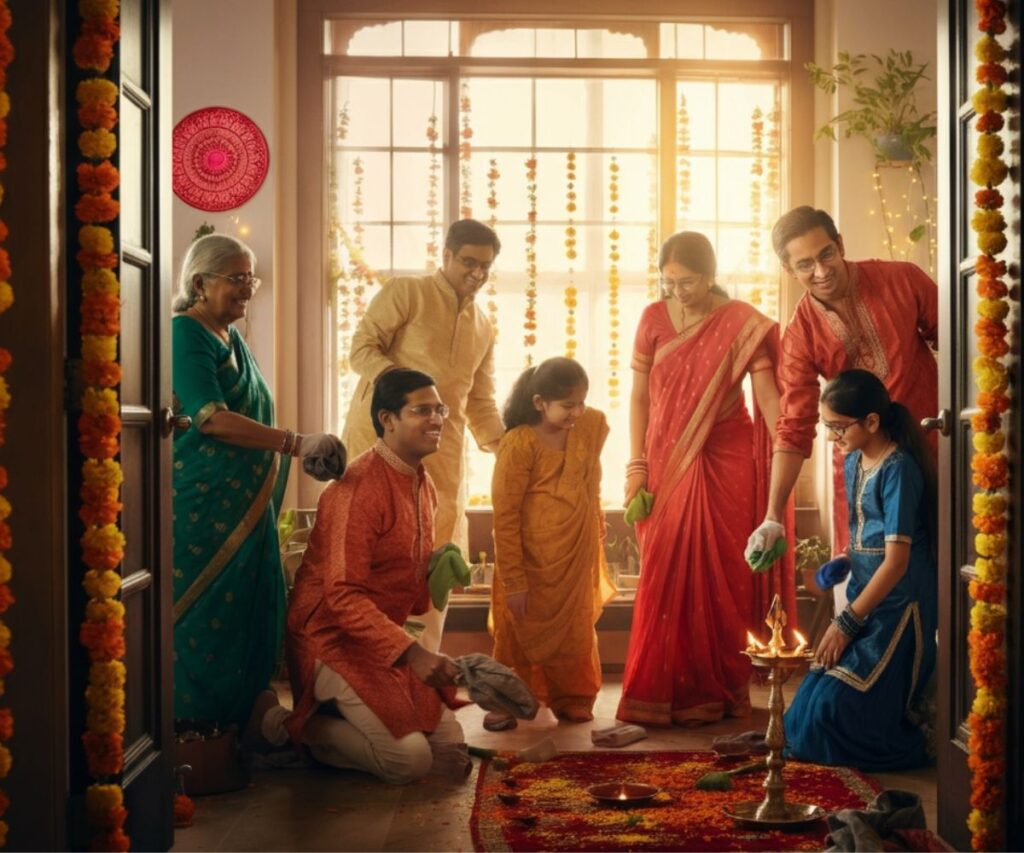
A family working together to clean and decorate their home with flowers in preparation for the festivities.

Cleaning is a significant part of the preparations. It is believed that Goddess Lakshmi only enters clean and tidy homes. This involves a deep cleaning of every corner of the house, decluttering, and discarding old or broken items. Once the home is spotless, it is time to decorate. Fresh flowers, particularly marigolds, are strung into garlands and hung over doorways.

Rangolis made of colored powders, rice, or flower petals adorn the entrances, symbolizing prosperity and welcoming positive energy. Diyas (oil lamps) and candles are placed throughout the home to illuminate the surroundings and drive away darkness. Many families also polish silverware, rearrange furniture, and apply a fresh coat of paint to give their homes a festive makeover. The scent of incense fills the air, creating an atmosphere of purity and devotion.

In addition to cleaning and decoration, people often buy new household items or utensils as it is believed to bring good luck and renewal. Windows and balconies are beautifully lit with fairy lights, creating a warm, welcoming glow visible from afar. Children join in by helping their parents clean and decorate, learning the importance of purity and preparation for the festival. Traditional torans (door hangings) made of mango leaves or beads are hung at entrances, believed to attract positive energy and keep away negativity.

In many regions, families also take time to clean their workspaces, shops, and vehicles, as every aspect of life should be ready to welcome prosperity. Neighbors often visit each other’s homes to admire decorations and share festive sweets, spreading joy and togetherness. Overall, the act of cleaning and decorating before Diwali goes beyond physical tidiness — it represents inner cleansing, the removal of negativity, and the invitation of light, hope, and abundance into one’s life.

The Art of Rangoli

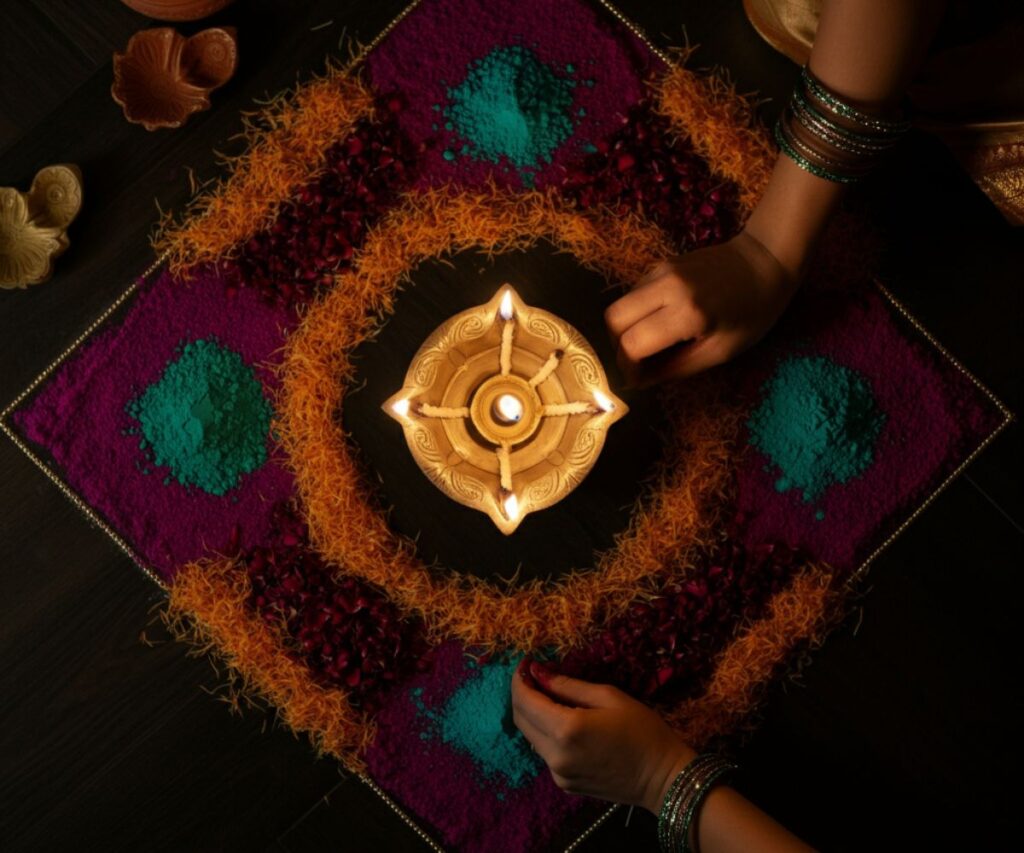
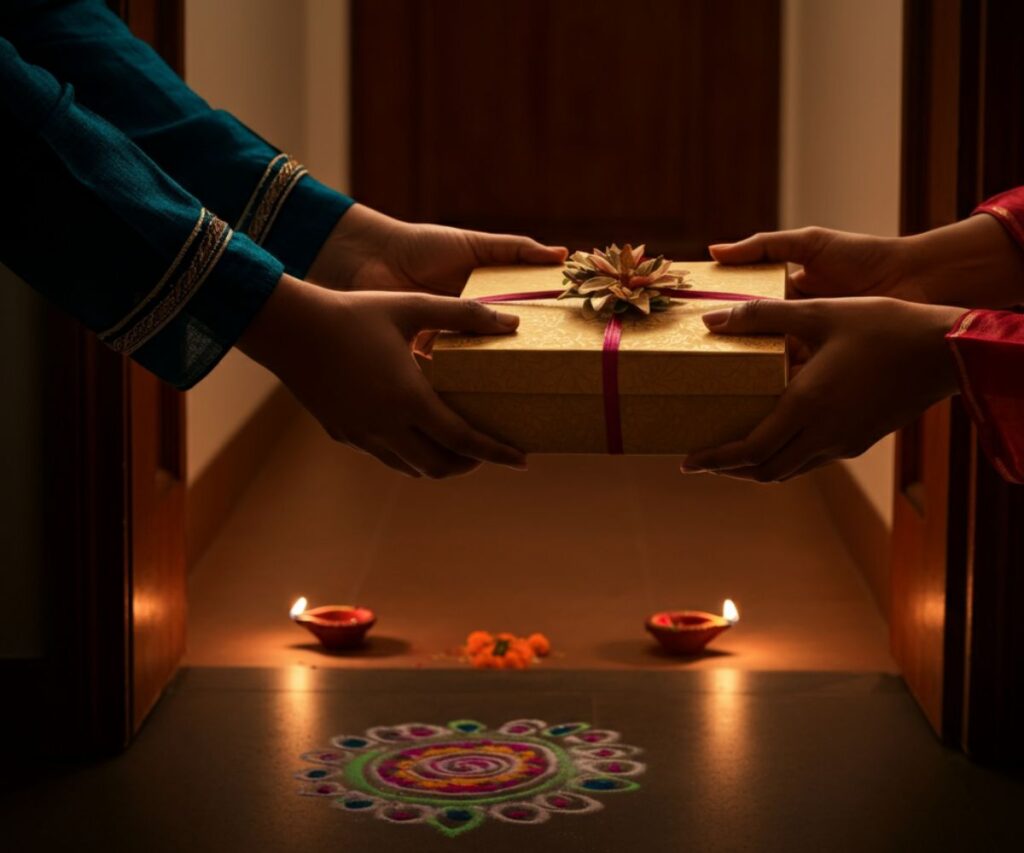
Hands carefully crafting a colorful rangoli design on the floor as a welcoming gesture for the festival.

One of the most beautiful traditions is creating rangoli. These are intricate, colorful patterns made on the floor near the entrance of the home to welcome guests and the gods. Rangoli can be made using colored powders, rice flour, flower petals, or sand. The designs are often geometric or feature symbolic motifs like lotus flowers, peacocks, or footprints of Goddess Lakshmi.

This art form is not just about decoration; it is a way of expressing creativity, devotion, and cultural heritage. Each region in India has its own unique style and name for rangoli — in Maharashtra, it’s called Rangavali; in Tamil Nadu, it’s known as Kolam; in West Bengal, Alpana; and in Andhra Pradesh, Muggu. Families wake up early in the morning to draw these designs, filling them with vibrant colors that signify joy, harmony, and prosperity.

During Diwali, rangolis are often adorned with diyas and candles, enhancing their beauty as they glow in the soft, golden light. Some people create elaborate designs that take hours to complete, showcasing their skill and patience, while others prefer simple patterns that still hold deep spiritual meaning. Creating rangoli together also strengthens family bonds, as children and elders collaborate, laugh, and share stories while decorating. Beyond its visual appeal, the rangoli is a symbol of auspiciousness, inviting divine blessings, positivity, and happiness into the home.

The Glow of Diyas

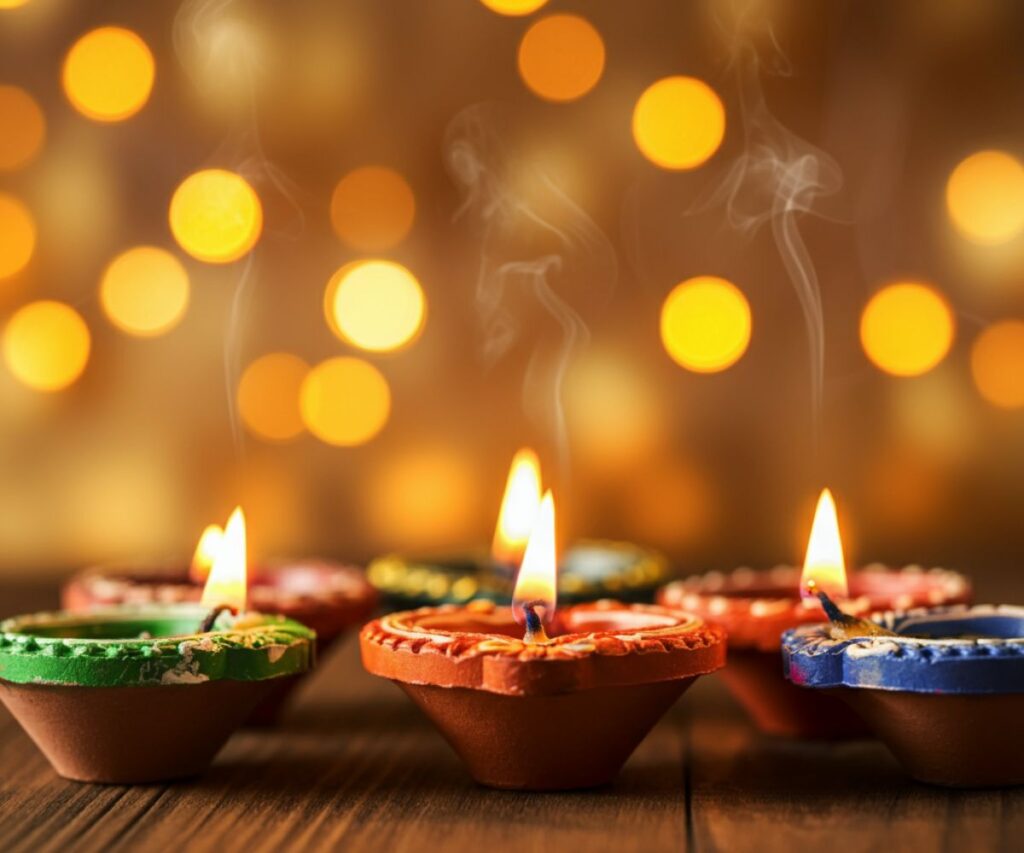
A row of lit clay oil lamps, or diyas, glowing brightly during the Deepavali festival.

Lighting diyas is the most iconic ritual of Diwali, symbolizing the triumph of light over darkness and good over evil. These small clay lamps, filled with oil or ghee and a cotton wick, are carefully placed in and around the home—on windowsills, balconies, courtyards, and entryways. As families light dozens of diyas together, the soft golden glow illuminates every corner, transforming homes into radiant sanctuaries of warmth and hope. The collective shimmer of countless lamps on the new moon night creates a breathtaking spectacle, turning entire neighborhoods into oceans of light.

Beyond their beauty, diyas hold deep spiritual significance. The light represents the dispelling of ignorance and negativity, inviting wisdom, peace, and prosperity into one’s life. Lighting a diya is also considered an offering to Goddess Lakshmi, guiding her into homes with her blessings of wealth and abundance. In many households, diyas are placed around the tulsi (holy basil) plant or near idols of deities, symbolizing devotion and purity.

People often use decorative diyas painted in bright colors or embellished with mirrors and beads, while some prefer traditional earthen lamps that embody simplicity and tradition. Families and children enjoy lighting diyas together, creating patterns or aligning them in rows to form radiant designs. The ritual unites everyone in a shared moment of serenity and reflection, reminding all that even the smallest flame can light up the darkest night—just as hope and goodness illuminate the human spirit.

The Sacred Puja

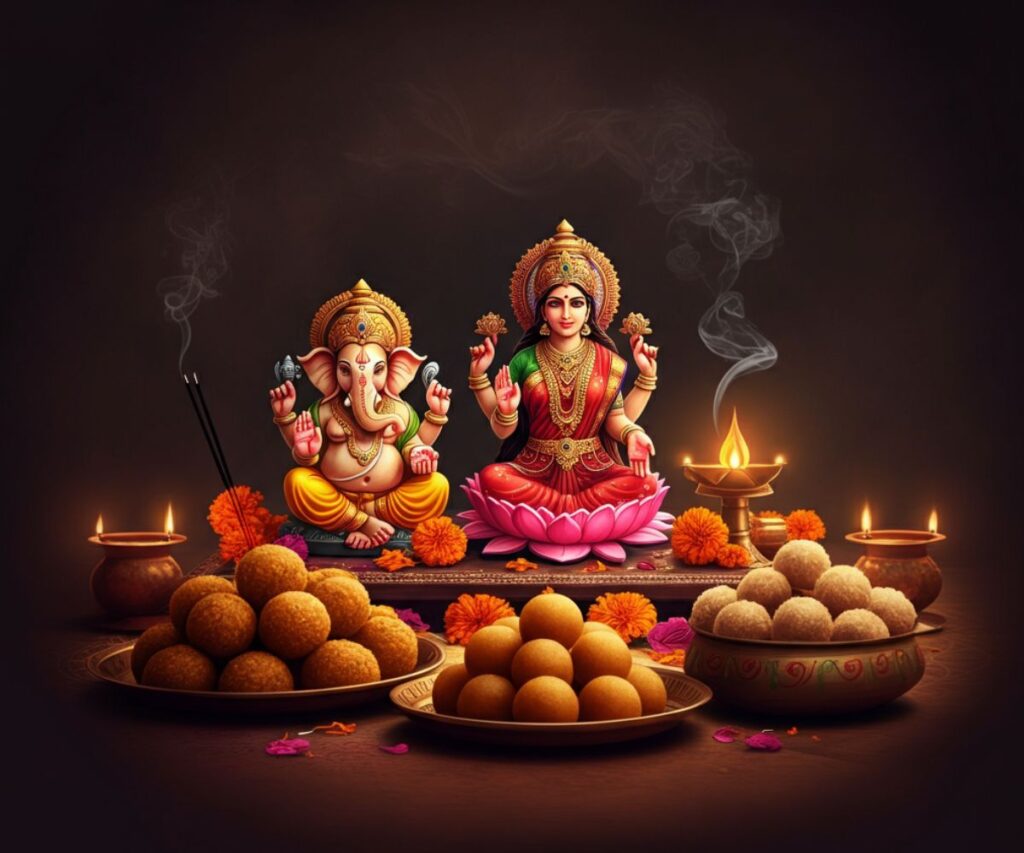
An altar prepared for Lakshmi Puja on the main festival day, with offerings and a ceremonial lamp.

On the evening of the Diwali date 2025, families gather with devotion and joy to perform the sacred Lakshmi Puja, one of the most important rituals of the festival. A special area of the home is cleaned, purified, and decorated to serve as a temporary shrine, beautifully adorned with flowers, diyas, and rangoli. Idols or pictures of Goddess Lakshmi, the goddess of wealth and prosperity, and Lord Ganesha, the remover of obstacles, are placed together on a decorated platform. Lord Ganesha is worshipped first, as he blesses the ceremony with wisdom and ensures that no hurdles arise during the puja.

The ritual begins with the chanting of Vedic mantras and hymns, filling the atmosphere with spiritual energy and peace. Family members offer flowers, fruits, sweets (prasad), rice grains, coins, and incense to the deities as symbols of gratitude and devotion. The aarti, or the ritual of waving a lit lamp before the gods, marks the highlight of the ceremony — its flickering flame represents divine light and purity. Bells ring, conch shells blow, and everyone joins in singing traditional hymns, their hearts filled with reverence and hope.

After the puja, it is believed that Goddess Lakshmi visits homes that are clean, bright, and filled with devotion, bringing wealth and happiness for the coming year. Families then distribute prasad, light additional diyas around the house, and exchange blessings with loved ones. The entire evening resonates with a deep sense of peace, unity, and spiritual fulfillment, reminding everyone that true prosperity lies in gratitude, goodness, and harmony.

The Joy of Shopping and Gifting

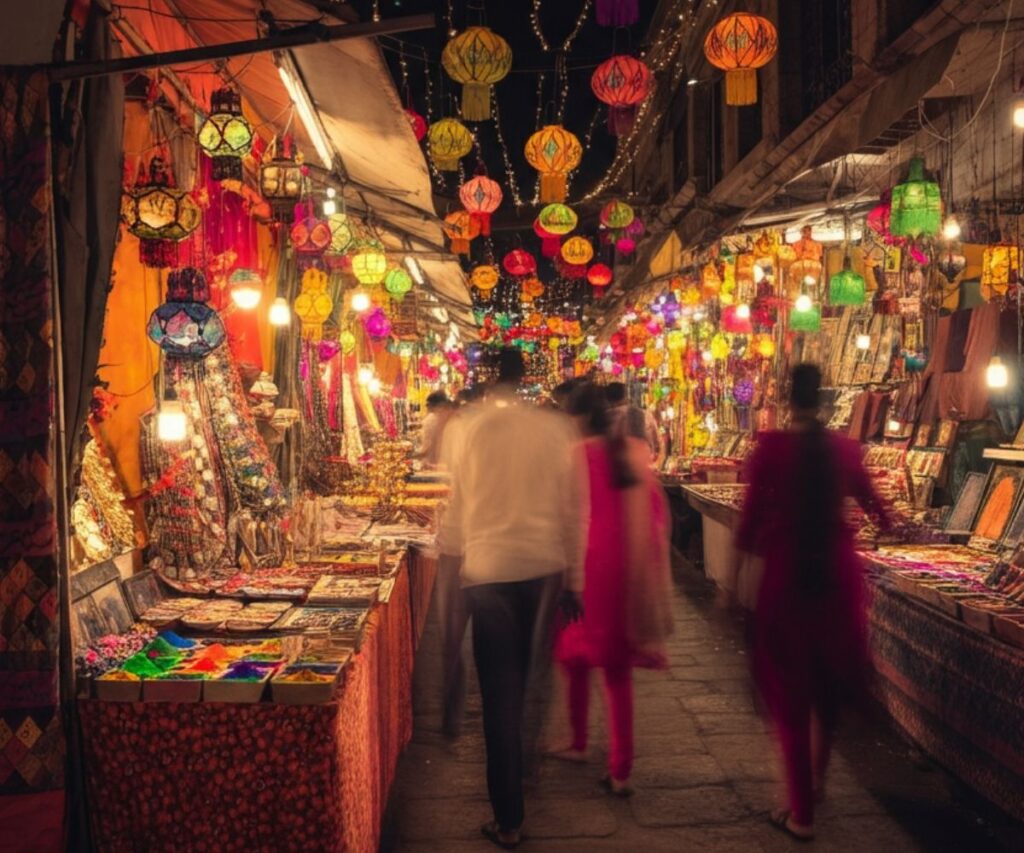
A lively night market filled with shoppers buying festive decorations and gifts for the celebrations.

The festival is also one of the biggest shopping seasons of the year, marking a time of renewal, prosperity, and joy. As Diwali approaches, bustling markets and online stores come alive with dazzling displays of festive decorations, vibrant fabrics, and glowing lights. People buy new clothes for every family member, symbolizing a fresh start and the welcoming of positive energy into their lives. Streets shimmer with strings of lanterns, fairy lights, and colorful torans, while stalls overflow with handcrafted diyas, idols of deities, candles, and rangoli colors. The excitement of shopping together creates a festive buzz that fills every corner of the marketplace.

Gifting plays a central role during Diwali as an expression of love, gratitude, and goodwill. It is a cherished tradition that strengthens bonds with family, friends, neighbors, and colleagues. Traditional gifts like sweets (mithai), dried fruits, and nuts remain timeless favorites, symbolizing sweetness and abundance. In recent years, however, people have embraced a mix of modern and personalized gifts — from home décor items, clothing, jewelry, and eco-friendly hampers to gadgets, electronics, and digital gift vouchers. Businesses also take this opportunity to show appreciation to clients and employees through thoughtful gifting gestures.

For Dhanteras 2025, the festive shopping will be especially vibrant, as this day is considered highly auspicious for buying precious metals, gold, silver, and new utensils—all believed to invite prosperity and good fortune into the home. Many people also purchase new vehicles, gadgets, or household items on this day, believing it brings luck and success for the year ahead. Overall, the spirit of Diwali shopping and gifting reflects not just material exchange, but the joy of sharing happiness, spreading blessings, and celebrating togetherness in its truest sense.

Celebrating Safely and Sustainably

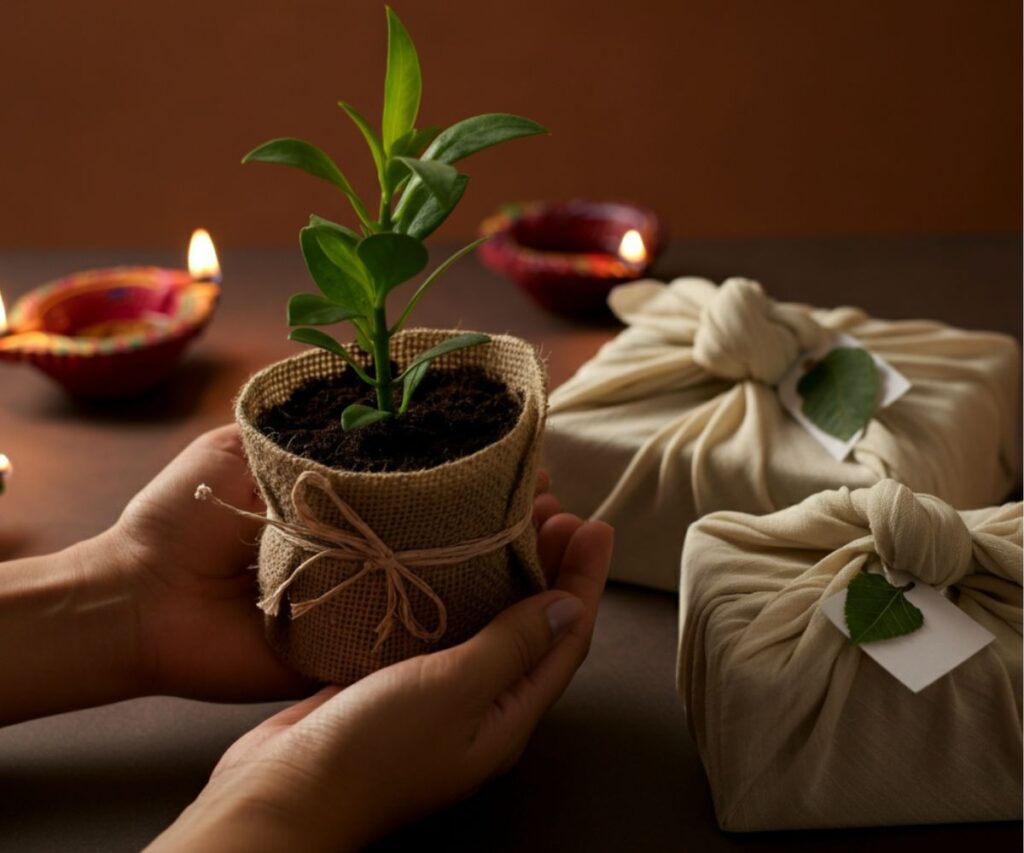
A person celebrating a sustainable festival by giving a plant as an eco-friendly gift.

While fireworks have long been associated with Diwali celebrations, filling the night sky with bursts of color and excitement, there is now a growing recognition of their harmful effects on the environment and public health. The smoke and noise they generate contribute to air pollution, respiratory problems, and distress for animals and the elderly. As awareness spreads, more families are embracing the idea of a greener, more sustainable Diwali—one that balances joy with responsibility.

Here are a few meaningful ways to celebrate Diwali responsibly and eco-consciously:

1. Choose Green Fireworks:
If fireworks are part of your tradition, opt for “green crackers” that emit less smoke, noise, and chemical residue. These are designed to minimize pollution while still keeping the festive spirit alive. Alternatively, join community firework displays organized in open spaces, which reduce waste and ensure safer celebrations.

2. Use Traditional Diyas:
Replace plastic or electric lights with handmade clay diyas filled with ghee or natural oils. They are biodegradable, consume less energy, and support local artisans, helping preserve traditional craftsmanship while keeping your home warm and beautiful.

3. Eco-Friendly Decorations:
Decorate your space using natural and reusable materials—fresh flowers, banana leaves, terracotta pots, and paper lanterns. Avoid plastic streamers or synthetic décor. You can even create DIY decorations from recycled items, adding a personal and creative touch to your home.

4. Mindful Gifting:
This year, make your gifts more sustainable and thoughtful. Choose potted plants, organic hampers, handmade crafts, or consumable gifts like sweets and dry fruits. Wrap presents in recycled paper, fabric, or reusable gift bags instead of shiny plastic wrapping.

5. Reduce Waste and Save Energy:
Celebrate with moderation—buy only what’s needed, reuse old decorations, and switch off extra lights when not in use. Small steps can make a big difference when adopted by many.

By making these conscious choices, we can preserve the true essence of Diwali—the victory of light, purity, and goodness—while also honoring our duty to protect the planet. A cleaner, quieter, and greener Diwali ensures that the festival remains a source of joy and hope not just for us, but for generations to come.

A Feast for the Senses: Festive Foods

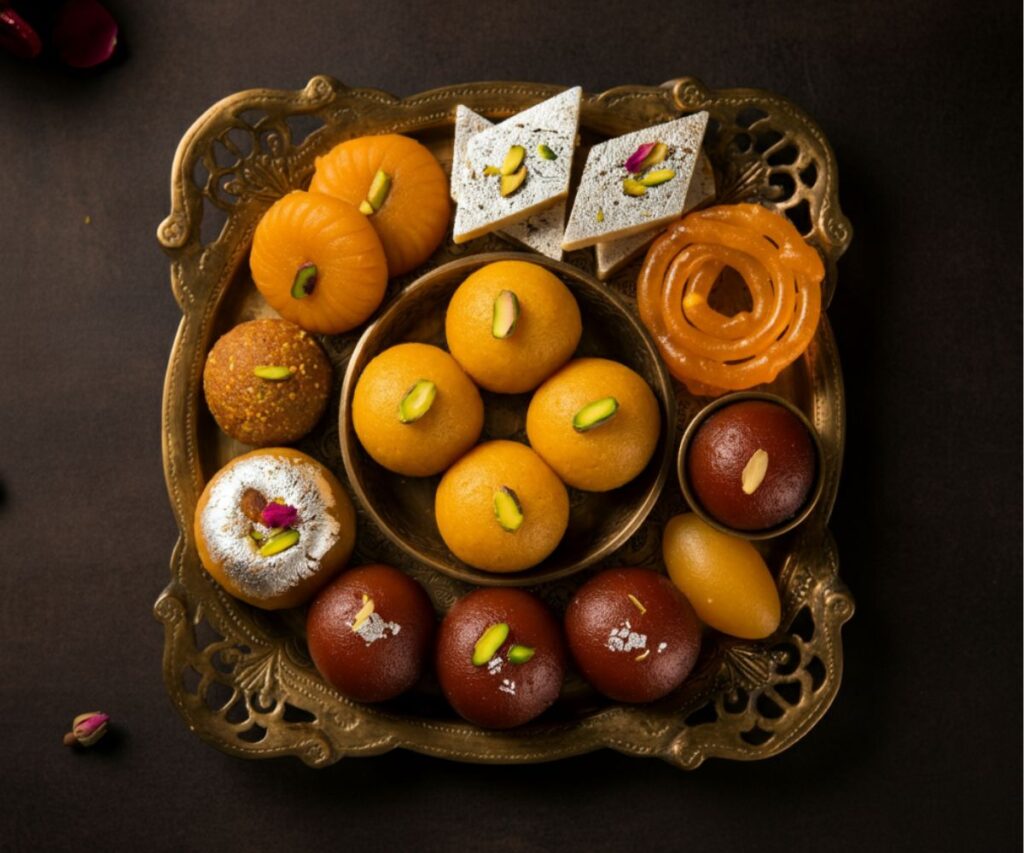
A platter showcasing a variety of traditional Indian sweets prepared for the festival of lights.

No festival in India is complete without delicious food, and Diwali is perhaps the most indulgent of them all. The festival is not just about lights and decorations—it’s a culinary extravaganza that brings families together in the kitchen, where the aroma of freshly prepared delicacies fills the air. Homes come alive with the sounds of laughter, sizzling oil, and the clinking of utensils as generations cook side by side, keeping age-old recipes and traditions alive.

The savory side of Diwali is filled with crunchy, flavorful snacks that are loved by all. Favorites like samosas, chakli (a spiral-shaped fried snack made from rice or gram flour), mathri (a crispy, spiced cracker), and namak pare (salted fried strips) are prepared in advance to serve to guests or enjoy with tea throughout the festival. Each region adds its own twist—some using aromatic spices, while others prefer simple, buttery flavors that melt in the mouth.

But the real stars of Diwali are undoubtedly the sweets, or mithai, which symbolize prosperity, love, and joy. They are often made with rich ingredients like milk, ghee, sugar, gram flour, and nuts, and every home boasts its own special assortment. Popular varieties include:

  • Ladoo: Round, golden spheres made from flour, ghee, and sugar, often flavored with cardamom or garnished with nuts.

  • Barfi: A dense, milk-based treat that comes in many flavors—pistachio, almond, coconut, or chocolate—often decorated with silver leaf (varq).

  • Jalebi: Crispy, spiral-shaped sweets soaked in warm sugar syrup, served hot for that perfect sticky crunch.

  • Gulab Jamun: Soft, melt-in-your-mouth balls made from milk solids (khoya), deep-fried, and soaked in rose-flavored syrup.

In many homes, women start preparing sweets days before Diwali, packaging them beautifully to share with friends, relatives, and neighbors. These treats are also exchanged as festive gifts, carrying with them the sweetness of affection and the joy of giving. Modern households may also include fusion desserts—like chocolate ladoos or dry fruit barfi—to blend tradition with a contemporary twist.

Sharing food during Diwali is more than a custom—it’s an expression of love, unity, and gratitude. Whether it’s offering prasad to the deities, sharing mithai with guests, or sitting together for a festive meal, every bite carries the warmth and happiness that define the spirit of Diwali.

Traveling During the Festival Season

A vibrant street scene in India during the festival of lights, with buildings illuminated and people celebrating.

The festival of Diwali is also one of the busiest travel periods of the year, both within India and among Indian communities worldwide. As the festival approaches, millions of people journey back to their hometowns to celebrate with family, making transportation hubs—airports, train stations, and highways—buzz with activity. The homecoming spirit fills the air as families reunite, share meals, and relive cherished traditions together. Because of the surge in travel, it’s always wise to plan ahead, booking tickets and accommodations well in advance to avoid last-minute hassles or inflated prices.

For visitors from abroad, traveling to India during Diwali is an experience like no other. The entire country transforms into a dazzling spectacle of lights, colors, and festivities, from glittering city streets to small villages illuminated with diyas and lanterns. Temples are beautifully decorated, markets overflow with sweets and gifts, and every corner vibrates with joy, music, and laughter. Whether you’re walking through the illuminated ghats of Varanasi, witnessing fireworks over the palaces of Jaipur, or enjoying the serenity of diyas floating on Udaipur’s lakes, Diwali offers a truly magical glimpse into India’s cultural heart.

However, travelers should also be prepared for large crowds, bustling streets, and an energetic pace that defines the season. It’s advisable to pack light, stay hydrated, and allow extra time for travel between destinations. Joining in local community celebrations—such as lighting diyas, sharing sweets, or participating in a neighborhood puja—can be a deeply meaningful and memorable experience. It offers a chance not only to witness the grandeur of the festival but to connect with its essence—joy, togetherness, and the victory of light over darkness.

Sharing Your Celebrations Online

A social media-ready photo showing a smartphone with a festival post, surrounded by festive items.

In today’s digitally connected world, social media has become an integral part of how we share our happiness and traditions. Diwali offers the perfect opportunity to spread light and positivity online while also celebrating creativity, culture, and togetherness. Capturing and sharing your festive moments not only helps you connect with loved ones near and far but also inspires others to celebrate in meaningful ways. A Digital Marketing company in Udaipur, like Trikaal Technology, can help you craft and share these moments effectively to reach a wider audience. Here are a few engaging Diwali content ideas to make your posts shine:

  1. Time-Lapse Video:
    Record a time-lapse of your rangoli creation—from the first outline to the final flourish of colors. It beautifully showcases your creativity and patience while giving viewers a satisfying, behind-the-scenes glimpse into this cherished tradition.

  2. DIY Decoration Tutorial:
    Post a step-by-step tutorial on making eco-friendly Diwali decorations using natural materials like flowers, paper, or clay. This not only promotes sustainability but also encourages others to celebrate responsibly.

  3. Puja Highlights:
    Share a respectful, aesthetic photo or short clip of your Lakshmi Puja setup—the glowing diyas, flowers, and idols arranged with devotion. Accompany it with a heartfelt caption about gratitude, peace, and prosperity.

  4. “My Diwali” Photo Series:
    Create a carousel post or reel that captures key moments throughout your celebration—cleaning and decorating your home, preparing sweets, lighting the first diya, and enjoying fireworks with family. It tells a beautiful story of your personal Diwali journey.

  5. Family Portrait:
    A classic family photo dressed in festive attire never fails to warm hearts. Capture the joy, laughter, and togetherness that make Diwali so special. You can even share a short message about what the festival means to your family.

Bonus Ideas:

  • Share a Diwali recipe reel featuring your favorite mithai or snack.

  • Post a “Before and After” home decor transformation to show your festive makeover.

  • Create a gratitude post highlighting what you’re thankful for this Diwali.

By thoughtfully sharing these moments, you can spread light, love, and positivity online, making your social media a reflection of the true spirit of Diwali—joy, connection, and celebration of life.

FAQ’s

1. What is the main date for the festival in 2025?

The main day of the festival, Lakshmi Puja, will be celebrated on Sunday, October 19, 2025. This is the primary diwali date 2025 to remember.

There is no difference; they are two names for the same festival. “Diwali” is the more common name in northern India, while “Deepavali” is used more frequently in southern India. The deepavali date 2025 is the same as the main festival date.

Dhanteras 2025 marks the beginning of the five-day festival. It is considered a highly auspicious day for making new purchases, especially gold, silver, or new utensils, as it is believed to bring good luck and prosperity.

The festival is an official public holiday in India and many other countries with a large Indian diaspora, including Nepal, Sri Lanka, Malaysia, Singapore, Fiji, and Trinidad and Tobago. In other countries like the United States and the United Kingdom, it is widely celebrated but may not be a public holiday.